
How Giga Energy Turns Wasted Natural Gas Into Bitcoin Mining Power
Giga Energy converts stranded and flared natural gas into Bitcoin mining power, creating profits for oil producers while reducing emissions.
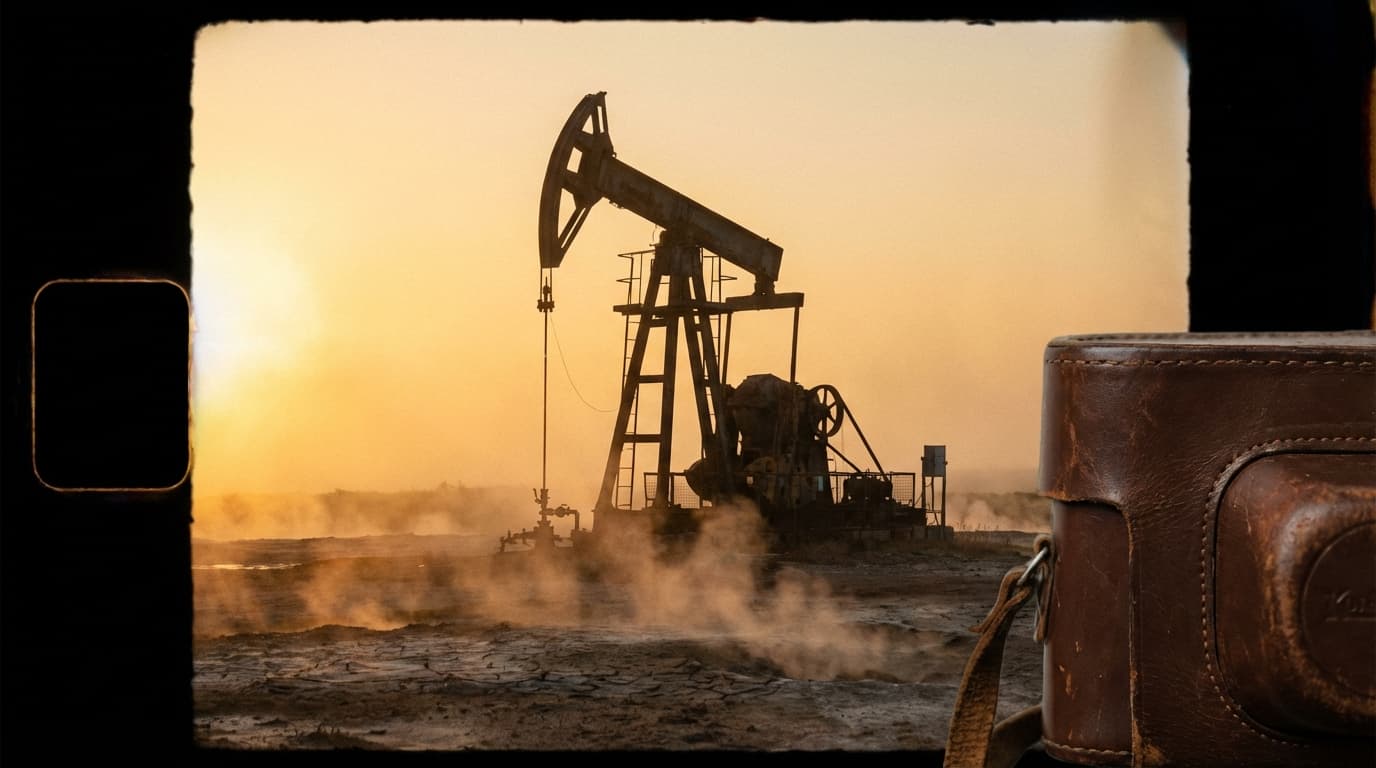
Every day, oil wells across America burn off natural gas they can't sell. The flames you see at drilling sites aren't accidents; they're deliberate waste. The gas comes up with the oil, but without pipeline access, producers have two choices: burn it (flaring) or release it directly into the atmosphere (venting). Neither is good.
Giga Energy, founded in 2019 by Brent Whitehead and Matt Lohstroh, saw an opportunity in that waste. Their pitch: instead of burning gas for nothing, use it to generate electricity and mine Bitcoin.
The economics are surprisingly straightforward
Stranded natural gas has a transportation problem, not a value problem. When gas emerges from an oil well miles from the nearest pipeline, moving it costs more than it's worth. Flaring costs oil producers roughly $62,500 per year per burning stack. That's money literally going up in smoke.
Giga Energy's model changes the math entirely. By bringing mobile Bitcoin mining units directly to well sites, they can offer operators approximately $12 per thousand cubic feet of gas, compared to the $3 they might get through traditional pipelines (when available). For operators, it transforms a liability into revenue.
A single stranded gas unit in East Texas burns about 87,000 cubic feet of natural gas daily, producing enough electricity to power roughly 720 homes. Instead of homes, that power runs Bitcoin miners.
The environmental case is real, but complicated
Here's where it gets interesting. Using stranded gas for Bitcoin mining produces approximately 8% of the CO2 emissions compared to traditional flaring. That's a dramatic reduction. Methane, the primary component of natural gas, is considerably more potent as a greenhouse gas than CO2 in the short term, so capturing and combusting it (even for Bitcoin mining) represents a genuine improvement over venting.
But critics raise a fair point: does creating a profitable use for stranded gas incentivize continued fossil fuel extraction? Environmental economists remain divided. The counterargument is that oil production drives these wells, not gas revenue. The gas will come up regardless; the question is what happens to it afterward.
Giga Energy's scale is substantial and growing
The company has delivered more than 3.5 gigawatts of transformers, switchboards, and data centers globally. They currently operate approximately 175 megawatts of flexible-load sites across the U.S., with another 500 megawatts under development.
Their manufacturing efficiency has become a competitive advantage. Giga's facility produces Bitcoin mining data centers in roughly 4 days, compared to the traditional 2-week timeline. That speed matters when you're deploying infrastructure to remote well sites.
In December 2024, Giga announced a joint venture with Atlas Power to develop operations in the Williston Basin (Bakken shale) in North Dakota. The partnership signals continued expansion into major oil-producing regions.
The model is catching on
Giga Energy isn't alone anymore. Crusoe Energy, Upstream Data, and other competitors have entered the space. Major oil producers including ExxonMobil and ConocoPhillips have explored similar arrangements. In October 2025, Canaan Inc. launched a 2.5 megawatt gas-to-computing pilot in Calgary, Alberta.
Simple Mining now operates over 20,000 miners using Giga Energy's containerized infrastructure, demonstrating demand for turnkey solutions in this space.
What this means going forward
Stranded gas Bitcoin mining sits at an unusual intersection: it's simultaneously a fossil fuel play and an emissions reduction strategy. For Bitcoin miners, it offers access to cheap, abundant power in locations where grid electricity isn't available. For oil producers, it monetizes waste. For the atmosphere, it's better than the alternative (though "better than flaring" is a low bar).
The model's future likely depends on three factors: Bitcoin's price (which determines mining profitability), natural gas markets (which affect the opportunity cost of using gas for mining), and regulatory treatment of both mining operations and methane emissions.
If you're evaluating this space, whether as an investor, operator, or observer, the honest assessment is that Giga Energy has built a real business solving a genuine problem. Whether that problem should exist in the first place is a separate question, and one that stranded gas mining doesn't answer.