
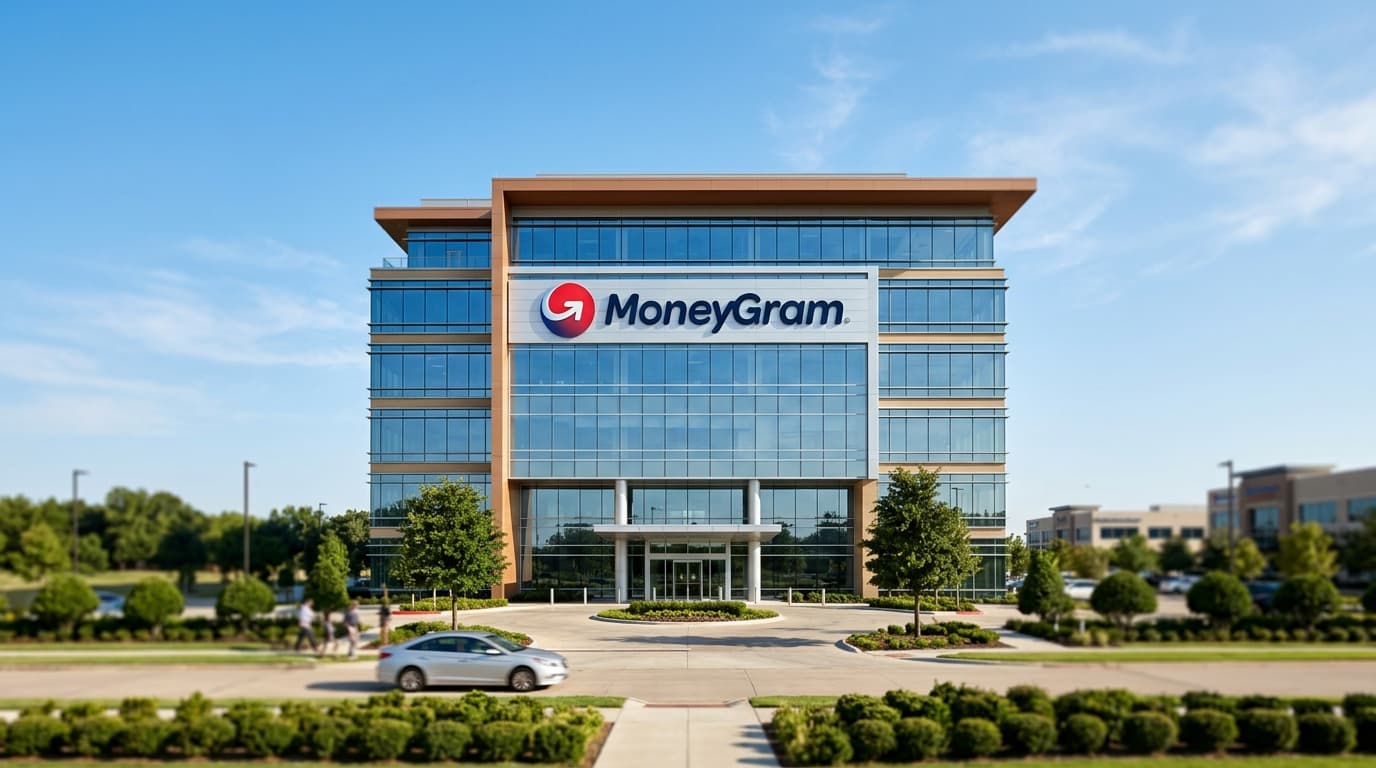
Kraken and MoneyGram Partner to Enable Bitcoin Cash-Out at 500,000 Locations Worldwide
Kraken's new MoneyGram partnership creates the world's largest crypto-to-cash network, challenging Bitcoin ATMs with 500,000 pickup locations globally.
Nearly half a million retail locations can now serve as bitcoin cash-out points. That's the scale of what Kraken and MoneyGram announced this week, a partnership that dwarfs the entire global Bitcoin ATM network by more than tenfold.
The collaboration, announced May 4-5, 2026, allows Kraken customers to convert cryptocurrency to cash and pick it up at MoneyGram locations across 200 countries and territories. For context, the entire Bitcoin ATM industry operates roughly 38,000 machines worldwide, with over 30,000 of those concentrated in the United States alone.
How the Partnership Works
The division of labor is straightforward. Kraken handles the crypto side: customer onboarding, identity verification, liquidity provision, and regulatory compliance. MoneyGram contributes what it does best, a regulated global network for cash distribution.
Users convert their crypto through Kraken's platform or the Krak app, then walk into a MoneyGram location to collect their local currency. The service supports withdrawals in hundreds of fiat currencies with payouts described as instant or near-instant.
The initial rollout focuses on the US, Europe, Latin America, Africa, and parts of Asia Pacific. Both companies have signaled this is just the first phase, with plans to expand into local bank deposits and cross-border remittances.
"This is the world's largest crypto-to-cash off-ramp," MoneyGram CEO Anthony Soohoo said in the announcement. Kraken Co-CEO Arjun Sethi framed it as bridging digital assets with everyday financial systems.
The Bitcoin ATM Challenge
This partnership arrives at an awkward moment for the Bitcoin ATM industry. Despite a projected market growth from roughly $350 million in 2025 to $1.2 billion by 2033 (a 16.3% annual growth rate according to industry forecasts), the sector has hit headwinds in 2026.
The US lost 559 Bitcoin ATMs in Q1 2026, a 1.82% decline that brought the total to 30,229 machines. Regulatory pressure and persistently high fees have contributed to the contraction. Canada bucked the trend, adding 176 machines to reach 3,904.
Bitcoin ATMs have long charged substantial premiums, often 10-15% above spot prices for purchases and similar markups on cash-outs. They also require significant capital investment for deployment and maintenance. The Kraken-MoneyGram approach sidesteps these costs by leveraging infrastructure that already exists.
Why Emerging Markets Matter
The geographic implications deserve attention. Bitcoin ATMs cluster heavily in North America, leaving most of the world underserved. Meanwhile, demand for bitcoin liquidity in regions with currency instability or limited banking access continues to grow.
Latin America and Africa, both included in the initial rollout, represent significant opportunities. These markets have seen increasing crypto adoption for remittances and inflation hedging, but often lack reliable off-ramps. A MoneyGram location in a small town can now serve a function that previously required traveling to a major city or navigating peer-to-peer markets.
This doesn't mean Bitcoin ATMs become obsolete. They still offer anonymous transactions below certain thresholds in some jurisdictions, and they require no existing exchange account. For users who prioritize privacy over convenience, ATMs retain advantages.
What This Signals
The partnership reflects a broader pattern: crypto infrastructure converging with traditional financial rails rather than replacing them entirely. Kraken brings the crypto-native capabilities; MoneyGram brings the physical footprint and regulatory relationships built over decades.
For users, the practical question is whether this actually delivers better value. Fee structures for the new service haven't been fully detailed. If Kraken-MoneyGram can undercut typical Bitcoin ATM spreads while offering far greater geographic accessibility, adoption could accelerate quickly.
The competitive pressure may also benefit Bitcoin ATM users indirectly. Operators facing a well-capitalized alternative with 500,000 locations may need to improve their own fee structures to remain relevant.
What's clear is that bitcoin-to-cash liquidity just became significantly more accessible for a large portion of the world's population. Whether that translates to meaningful adoption gains depends on execution, fees, and whether the promised bank deposit and remittance features materialize as planned.