
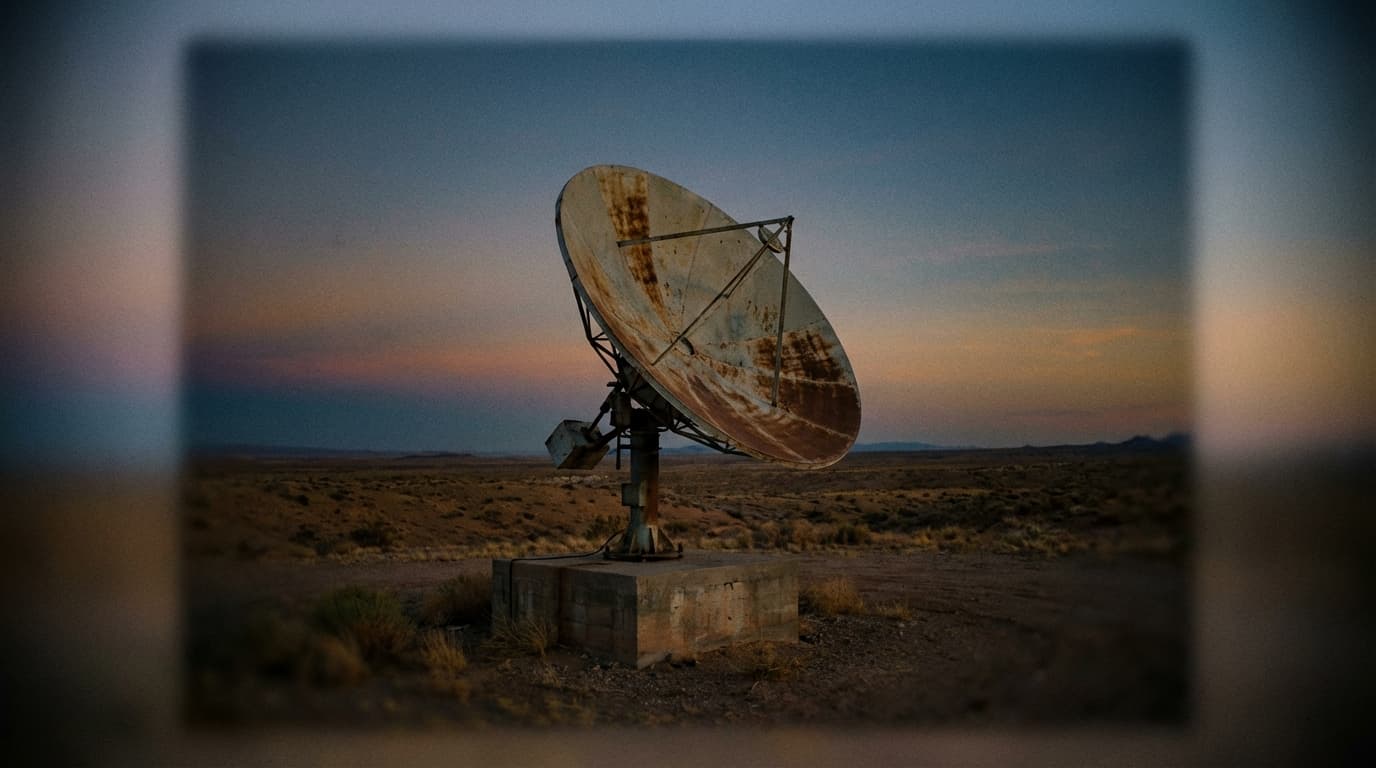
How to Receive Bitcoin via Satellite with Blockstream
A practical guide to receiving the Bitcoin blockchain via satellite using Blockstream's system—no internet required. Hardware, setup, and honest tradeoffs.
The Bitcoin blockchain is being broadcast from space, 24 hours a day, to over two-thirds of Earth's landmass. If you have a satellite dish, some affordable hardware, and a Linux computer, you can sync and verify the entire blockchain without ever touching the internet.
This isn't science fiction or a marketing stunt. Blockstream Satellite has been operating since 2017, and it serves a real purpose: making Bitcoin accessible in remote areas, providing a backup during internet outages, and offering a layer of censorship resistance that doesn't depend on ISPs or network infrastructure.
Here's how it actually works, and whether it makes sense for you.
What Blockstream Satellite Actually Does
Blockstream operates a network of geosynchronous satellites that continuously broadcast the full Bitcoin blockchain. Coverage spans the Americas, Europe, Africa, and much of Asia-Pacific—essentially anywhere you can point a dish at one of their satellites.
The key satellite for North America is Galaxy 18. Europe and Africa are covered by Telstar 11N and Telstar 18V, while the Asia-Pacific region uses Telstar 18V's C-band transponder.
The system is receive-only. You can download and verify the blockchain, but you can't broadcast transactions back through the satellite. For that, you'd need an internet connection, a mesh network like goTenna, or some other transmission method.
Hardware You'll Need
The equipment requirements are surprisingly modest:
- Satellite dish: A 45cm or larger Ku-band dish works for most regions. C-band coverage areas (parts of Asia-Pacific) require larger dishes and different LNBs.
- LNB (Low-Noise Block downconverter): This attaches to your dish and converts the satellite signal.
- Receiver: Options range from software-defined radios (RTL-SDR, around $30) to dedicated units like the Novra S400 in Blockstream's Pro Kit.
- Linux computer: A Raspberry Pi works fine. Ubuntu and Raspberry Pi OS are well-supported.
Blockstream sells official kits through their store. The Pro Kit includes the Novra S400 receiver and appropriate LNBs. You can also build a setup from generic parts if you're comfortable sourcing components.
Setting It Up
The process breaks down into a few distinct phases.
Check Coverage and Choose Your Satellite
Start at Blockstream's coverage map. Identify which satellite serves your location and note its position in the sky. You'll need a clear line of sight—trees, buildings, and mountains are your enemies here.
Install the Software
Blockstream provides a command-line utility called `blocksat-cli`. Install it via pip3:
```
pip3 install blocksat-cli
```
Or use your package manager on supported distributions. Then run the initial configuration:
```
blocksat-cli cfg
blocksat-cli deps install
```
The utility will walk you through selecting your satellite and hardware type.
Align Your Antenna
This is the fiddly part. Run `blocksat-cli instructions` to get precise azimuth and elevation angles for your location. Physical alignment requires patience—you're aiming at a specific point in the sky roughly 35,000 kilometers away.
For USB receivers, run `blocksat-cli usb launch` while adjusting. The software will indicate signal strength until you achieve lock.
Install Bitcoin Satellite and Sync
Bitcoin Satellite is a fork of Bitcoin Core that adds UDP multicast support for receiving blockchain data via satellite. Install it with:
```
blocksat-cli deps install --btc
```
Generate your configuration file:
```
blocksat-cli btc
```
Then launch `bitcoind` as usual. The satellite stream delivers data at approximately 1.09 Mbps. A full initial block download takes around 40 days via satellite alone—or you can do a hybrid approach, using internet for the bulk of historical data and satellite for recent blocks.
Verify your connection with:
```
bitcoin-cli getudpmulticastinfo
```
Recent Updates
Blockstream released version 2.5.1 in May 2025, updating frequencies for Telstar 18V's C-band transponder. Version 2.5.0, released in late 2024, added a GUI option for those who prefer not to live in the terminal.
The company raised $210 million in 2024 and has spun out its mining and satellite operations as independent business units, suggesting continued investment in the satellite network.
Honest Tradeoffs
This system solves specific problems well. If you're in a location with unreliable or censored internet, a satellite setup provides genuine independence. For preppers, off-grid enthusiasts, or anyone wanting a backup node that doesn't depend on their ISP, it's a practical option.
But it's not for everyone. You need a clear view of the southern sky (in the Northern Hemisphere). Setup requires comfort with Linux command-line tools and physical antenna alignment. The receive-only nature means you still need another channel to broadcast transactions.
The 40-day initial sync via satellite alone is also a real consideration. Most users will want internet access for the initial download, then switch to satellite for ongoing operation.
Who Should Consider This
Blockstream Satellite makes the most sense for:
- People in areas with unreliable, expensive, or surveilled internet
- Anyone wanting a backup Bitcoin node independent of traditional infrastructure
- Educational projects demonstrating Bitcoin's resilience
- Boats, remote cabins, or locations where satellite is the only viable connection
If you have fast, uncensored internet and no particular concern about infrastructure resilience, a traditional node setup is simpler and will sync faster.
But knowing this option exists—and that the barrier to entry is a few hundred dollars in hardware and some patience—changes the calculus for what it means to have sovereign access to the Bitcoin network. The blockchain is literally falling from the sky, free for anyone with a dish to catch it.