
Strait of Hormuz Bitcoin Scam Shows Why Merchant Verification Matters More Than Ever
Scammers impersonating Iranian authorities demanded Bitcoin from stranded ships. The incident reveals urgent gaps in crypto payment verification.
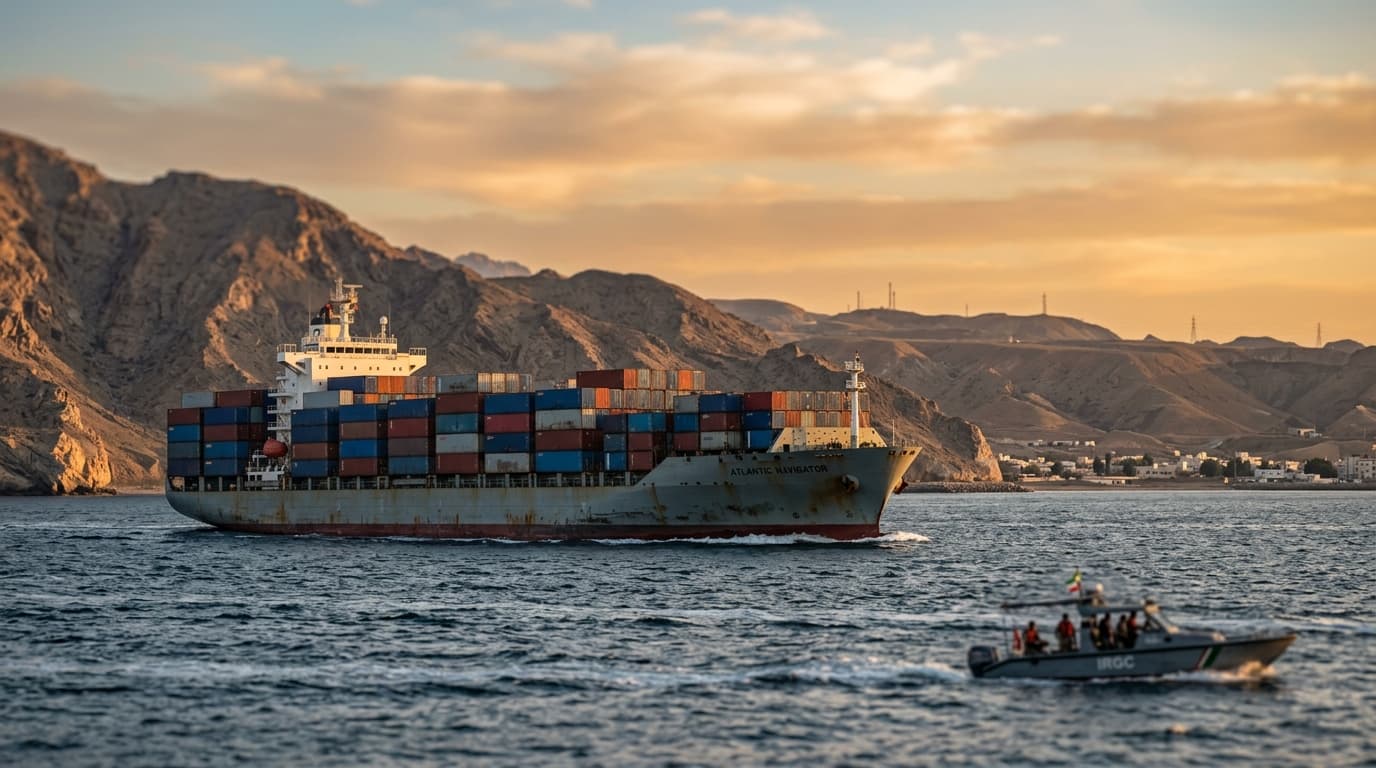
At least one vessel was fired upon after possibly paying a fraudulent Bitcoin toll to pass through the Strait of Hormuz. The April 2026 scam, which targeted shipping companies with stranded vessels, is a stark reminder that cryptocurrency's speed and irreversibility cut both ways.
Greek maritime risk firm MARISKS issued a warning on April 20, 2026, confirming that messages demanding transit fees in Bitcoin (BTC) or Tether (USDT) were not from Iranian officials. The fraudsters had impersonated Iranian authorities, promising safe passage to captains desperate to move through one of the world's most critical shipping chokepoints.
The Setup: Desperation Meets Deception
Hundreds of ships and approximately 20,000 seafarers remain stranded in the Gulf as of late April 2026. A combination of U.S. blockades on Iranian ports and Iran's intermittent closure of the Strait has created chaos in a waterway that normally carries 20% of global oil and liquefied natural gas.
What made the scam convincing was its timing and plausibility. In March 2026, Iran had actually announced a trial program for crypto-based transit tolls, roughly $1 per barrel (potentially up to $2 million per tanker), payable in BTC, USDT, or Chinese yuan. Spokesperson Hamid Hosseini confirmed the policy was designed to bypass sanctions.
The scammers simply exploited a real policy announcement to extract payments from shipping operators who had no reliable way to verify the sender.
Why Crypto Payment Fraud Hits Harder
Traditional wire fraud gives victims some recourse. Banks can freeze transfers, reverse transactions, or flag suspicious activity. Bitcoin transactions are final within minutes and pseudonymous by design.
This isn't a flaw in Bitcoin itself; it's a feature that requires users to implement verification on their end. The Strait of Hormuz incident illustrates what happens when high-stakes payments meet insufficient sender authentication.
For merchants and businesses accepting cryptocurrency, the lesson is clear: the burden of verification falls entirely on you.
What Verification Actually Looks Like
There's no single solution, but several practices reduce exposure to payment fraud:
Verify through official channels. Never trust payment instructions received via email or messaging apps alone. Confirm wallet addresses through a known, independent communication channel, ideally one established before any urgent situation arises.
Use whitelists. Maintaining a list of pre-approved wallet addresses for known counterparties prevents attackers from substituting their own addresses at the last moment.
Start with test transactions. For large payments, sending a small amount first and confirming receipt through a separate channel catches address substitution attacks before significant funds are at risk.
Leverage blockchain analysis. Services that flag wallets associated with known scams or sanctioned entities can provide an additional layer of due diligence, though they're not foolproof.
For businesses and individuals who want more control over their Bitcoin payments, self-custodial tools like Zeus offer features such as coin control and support for connecting to your own Lightning node. This kind of infrastructure doesn't prevent social engineering, but it does ensure you maintain full custody of funds and can verify transactions on your own terms.
The Counterargument: Isn't This Just User Error?
Some will argue that the shipping companies should have known better, that verifying a multi-million dollar payment demand is basic due diligence. That's true, but it misses the larger point.
Cryptocurrency adoption in high-stakes commercial contexts is accelerating precisely because of situations like sanctions evasion and cross-border friction. Iran's real toll policy exists because traditional payment rails don't work for them. The same conditions that create demand for crypto payments also create opportunities for fraud.
Blaming victims doesn't solve the structural problem: most businesses lack the tools and training to verify cryptocurrency payment requests under pressure.
Looking Forward
The Strait of Hormuz scam won't be the last of its kind. As more commercial transactions move to Bitcoin and stablecoins, the attack surface grows. Shipping, energy, and commodities trading are particularly vulnerable because they involve large sums, time pressure, and parties who may not have established trust.
Industry groups and insurers will likely push for standardized verification protocols. Until those exist, businesses accepting crypto payments need to build their own safeguards.
The technology itself is neutral. How we use it, and how we protect ourselves when using it, determines whether Bitcoin becomes a tool for financial freedom or just another vector for fraud.