
Trezor Safe 7 After Three Months of Daily Use, What the Long-Term Reviews Reveal
Research-based analysis of Trezor Safe 7 performance after extended use, covering build quality, battery life, and whether quantum-ready security justifies $249.
Six months after Trezor launched its flagship Trezor Safe 7, early adopters have now logged enough daily use to separate marketing promises from practical reality. The verdict so far: premium build and mobile-first design deliver genuine convenience, but emerging hardware concerns and a $249 price tag demand scrutiny before buying.
This analysis draws from user reports, third-party reviews, and product documentation rather than hands-on testing. No comprehensive three-month daily use reviews exist in published sources as of April 2026, so the assessment synthesizes the closest available long-term user feedback.
What the Safe 7 Gets Right
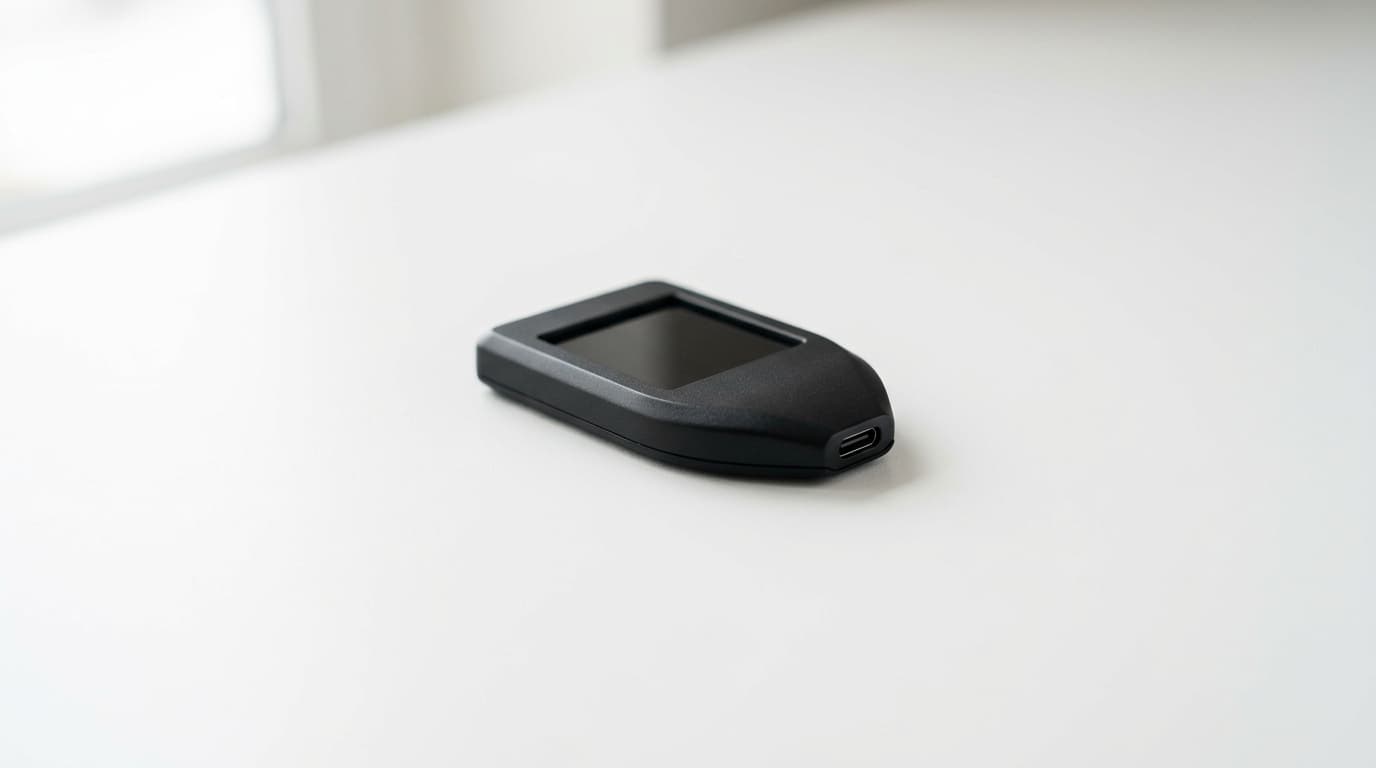
The 2.5-inch color touchscreen with haptic feedback represents a meaningful upgrade over previous Trezor models. Reddit users consistently describe the aluminum unibody as "highest-quality" feeling among hardware wallets, and the IP54 rating provides dust and splash resistance that travelers appreciate.
Bluetooth connectivity paired with full iOS and Android support through Trezor Suite makes this genuinely mobile-first. Users report that wireless transaction signing works smoothly, though security-conscious holders can disable Bluetooth entirely for air-gapped operation. The Trezor Host Protocol (THP) encryption addresses some Bluetooth security concerns, but skeptics remain wary of any wireless attack surface on a device protecting significant funds.
The 330mAh LiFePO4 battery lasts roughly a day under normal use according to user reports. Importantly, the device functions normally via USB-C even if the battery fails, avoiding a potential bricking scenario.
The Quantum-Ready Claim, Examined
Trezor's dual secure element approach combines an auditable TROPIC01 chip with EAL6+ certification. Post-quantum cryptography protects firmware updates and the boot process, which represents genuine forward-thinking design.
However, "quantum-ready" requires context. Current quantum computers pose no practical threat to Bitcoin's cryptography. The Safe 7's quantum resistance applies to device security rather than to Bitcoin itself, which would require network-level changes to become quantum-resistant. For most users in 2026, this feature functions more as insurance against a distant theoretical risk than an immediate practical benefit.
Concerns Emerging After Extended Use
April 2026 Reddit threads document troubling reports of random shutdowns and hardware faults requiring devices to remain constantly plugged in. The non-removable battery creates long-term durability questions that won't fully resolve for years.
Monero users face disappointment: despite supporting over 9,000 assets through Trezor Suite, practical Monero functionality remains absent as of this writing.
The $249 price positions the Safe 7 as a premium option when the Safe 5 offers core security at $169. For desktop-focused users or long-term holders who rarely move funds, the Safe 7's mobile conveniences may represent unnecessary expense.
Who Should Consider the Safe 7
The Safe 7 makes sense for users who regularly transact on mobile, value build quality as a priority, and can absorb the price premium without strain. It delivers genuine improvements in usability and forward-looking security architecture.
HODLers who interact with their hardware wallet a few times yearly, or anyone primarily using desktop, should evaluate whether the Safe 5 or even older Trezor models meet their actual needs at lower cost.
The emerging hardware fault reports warrant monitoring. Early adopters sometimes absorb manufacturing growing pains, and Trezor's response to these issues over coming months will indicate whether the Safe 7 matures into a reliable long-term choice or remains a premium gamble.