Upstream Data
Modular bitcoin mining infrastructure that turns stranded natural gas into hashrate at remote oil and gas sites.
Some links may be affiliate links. We may earn a commission at no extra cost to you.
Why We Recommend Upstream Data
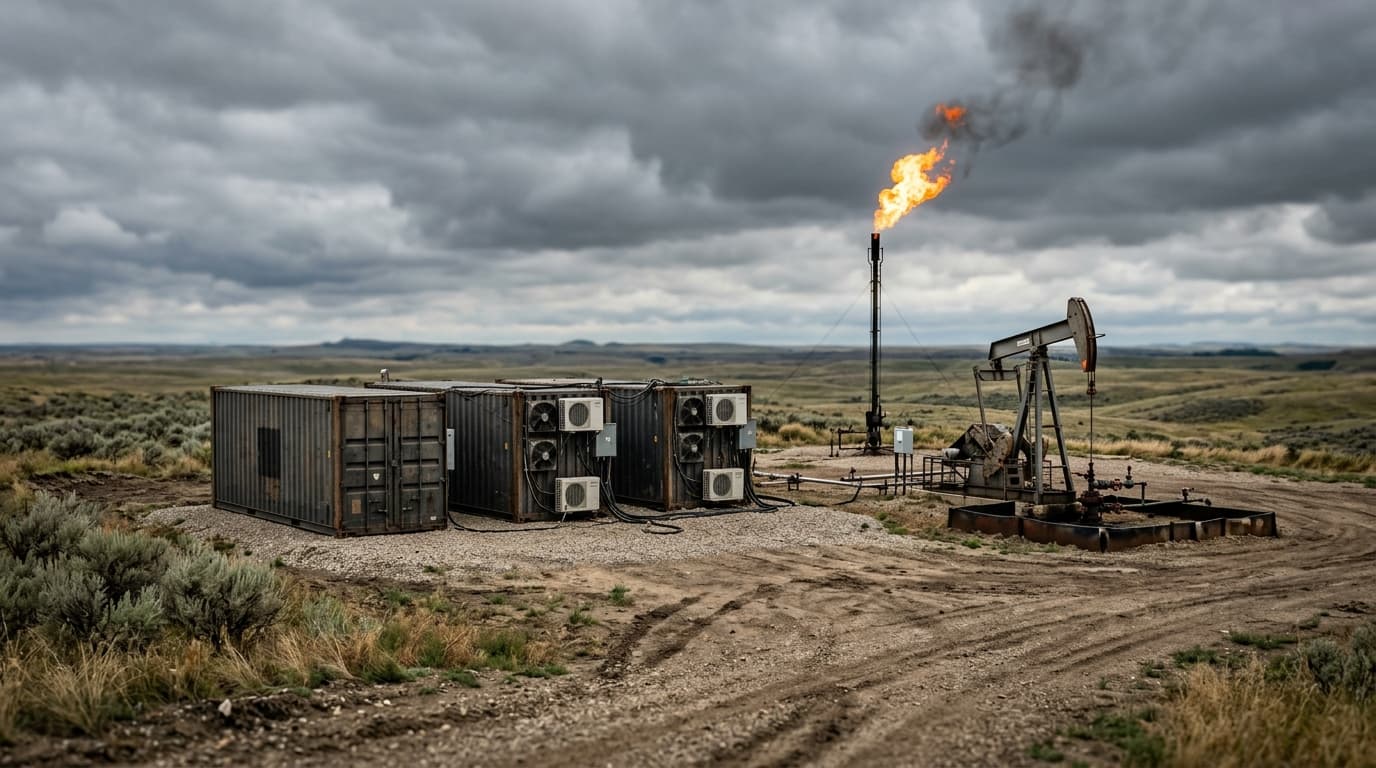
Upstream Data has pioneered the intersection of bitcoin mining and methane capture since 2017, establishing themselves as the go-to provider for oil and gas operators looking to monetize stranded gas. Their flagship Hash Generator units integrate natural gas generators with mining loadcenters into skid-mounted, plug-and-play systems that can deploy at well sites without pipelines or power lines. The patented LoadSync controller automatically modulates mining load based on generator frequency, fuel supply, weather conditions, and bitcoin market prices—solving the complex engineering challenge of running ASICs reliably in harsh oilfield environments.
The hardware itself is built for punishment, with industry-leading environmental protection for ASICs and both air and water cooling options designed for extreme temperatures and remote locations. They've proven the model across deployments in Alberta, Saskatchewan, and west Texas, with some arrangements offering zero upfront cost to operators—Upstream Data pays up to $4 USD/Mscf for fuel gas used to generate power. Beyond their integrated solutions, they distribute MicroBT and Bitmain ASICs with bulk discounts payable in bitcoin or fiat, and provide supporting services like engine rebuilding and custom steel skids.
Best For
Oil and gas producers with stranded or flared gas are the primary audience. If you're venting methane at remote wells, facing carbon taxes, or unable to justify pipeline infrastructure, Upstream Data offers a way to turn that liability into bitcoin revenue. Their modular, portable designs mean you can deploy at well sites quickly without complex midstream contracts, capturing emissions that would otherwise be wasted or penalized while generating income from the hashrate.
Power utilities exploring load balancing and demand response also benefit from their technology. The LoadSync automation handles the complexity of matching mining load to available power, making bitcoin mining a viable flexible load for grid operators or anyone with inconsistent power generation. Remote wind and solar installations with curtailment issues can potentially use similar approaches.
Smaller-scale operators and home miners aren't forgotten either—products like the Black Box offer quiet operation for residential or noise-sensitive deployments. However, the real sweet spot remains industrial-scale operations where stranded energy assets need monetization without major infrastructure investment.
Services & Features
Considerations
Requires access to natural gas supply, limiting appeal to those without stranded energy assets. Hardware costs can be significant upfront depending on the deployment model chosen, and the niche oilfield focus means this isn't relevant for typical retail miners.