
Alcoa Selling Massena Smelter to NYDIG for Bitcoin Mining as Energy Demand Surges
Alcoa's sale of its idle Massena East smelter to NYDIG marks another aluminum facility converted to Bitcoin mining amid rising energy competition.
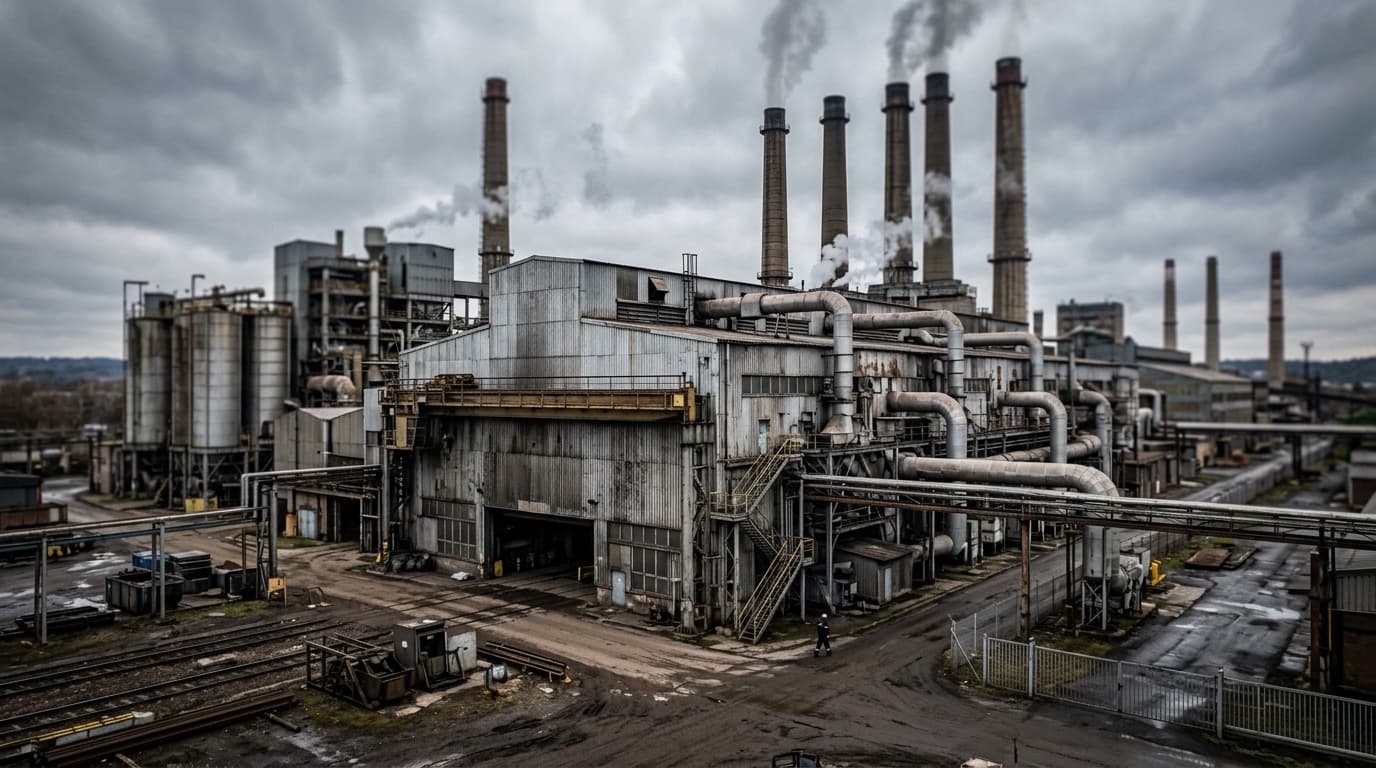
A 1,300-acre aluminum smelter along the St. Lawrence River, dormant since 2014, is about to become one of the largest Bitcoin mining sites in the northeastern United States.
Alcoa Corp is in advanced negotiations to sell its idle Massena East facility in upstate New York to Bitcoin mining firm NYDIG, with the deal expected to close by mid-2026. Alcoa CEO Bill Oplinger confirmed the talks in a Bloomberg interview this week, stating the transaction "should be done in the middle part of this year."
The sale represents more than a routine asset disposal. It signals how America's aging industrial infrastructure is being repurposed to serve the surging electricity demands of cryptocurrency mining and artificial intelligence computing.
Why Old Smelters Make Ideal Mining Sites
The Massena East facility offers exactly what Bitcoin miners need most: massive electrical capacity already in place.
The site features existing substations, transmission lines, and high-capacity grid connections built to power energy-hungry aluminum production. Perhaps most valuable is its access to low-cost hydropower from the New York Power Authority. Alcoa shuttered the facility over a decade ago due to high energy costs and global competition in aluminum markets, but the infrastructure remained.
For NYDIG, acquiring proven electrical infrastructure beats the years-long process of building new capacity from scratch. Data centers and mining operations across the country are competing fiercely for grid access, and sites with existing power agreements have become increasingly valuable.
A Pattern Emerges
Alcoa's Massena sale isn't happening in isolation. The company is actively seeking buyers for 10 idle U.S. smelter sites, targeting first sales in the first half of 2026. The pitch to buyers centers on the same value proposition: pre-built power infrastructure ready for energy-intensive computing.
The trend has precedent. In February 2026, Century Aluminum sold its Hawesville smelter to TeraWulf for $200 million plus a 6.8% stake in the mining company. That facility is being converted for both Bitcoin mining and AI computing workloads.
NYDIG has been positioning itself for expansion. The company made a strategic investment in Coinmint in October 2024 and reached an agreement to acquire Crusoe Energy's Bitcoin operations, including 270MW of power technology, in March 2025.
The Energy Equation
The competition for electricity is reshaping power markets. According to U.S. Energy Information Administration data from 2023, cryptocurrency mining (primarily Bitcoin) consumed between 0.6% and 2.3% of total U.S. electricity, representing 25 to 91 terawatt-hours. The wide range reflects the difficulty of precisely measuring mining's energy footprint.
The EIA forecasted in November 2025 that combined demand from mining operations and data centers would drive wholesale power prices up 8.5% to $51 per megawatt-hour in 2026.
Neither Alcoa nor NYDIG has disclosed the purchase price for the Massena facility. Given the Century Aluminum deal's $200 million valuation, sites with comparable infrastructure and power access likely command similar premiums.
What This Means Going Forward
The aluminum-to-Bitcoin pipeline reflects a broader industrial transition. Manufacturing facilities built for twentieth-century heavy industry are finding second lives powering twenty-first-century computing.
Not everyone in crypto mining is moving in the same direction, though. Some established miners like MARA and Hut 8 have shifted resources toward AI and cloud computing, viewing those markets as more stable or lucrative than Bitcoin mining alone. NYDIG appears to be betting differently, expanding its pure-play mining footprint.
For communities like Massena, the transition raises familiar questions about employment. Aluminum smelters employed hundreds of workers; Bitcoin mining facilities typically require far fewer staff to operate. The economic tradeoffs of these conversions remain contested.
What's clear is that industrial sites with robust power infrastructure have become strategic assets in a way their original builders never anticipated. As long as Bitcoin mining remains profitable and AI computing continues its exponential growth, expect more announcements like this one.