
Alcoa Sells Massena East Smelter to NYDIG as Industrial Bitcoin Mining Accelerates
Alcoa finalizes sale of idled NY smelter to NYDIG, signaling a wave of industrial facility conversions as Bitcoin miners seek grid access.
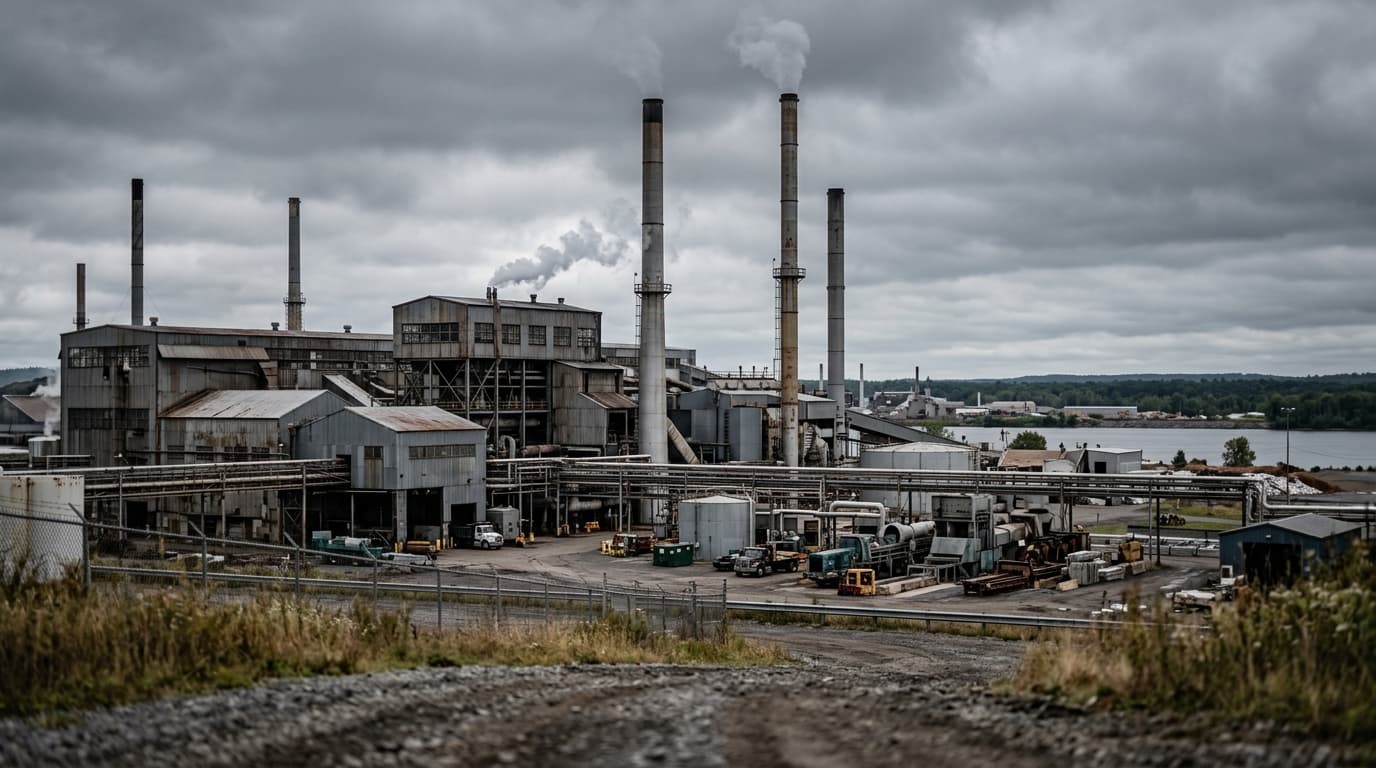
A 1,300-acre aluminum smelter that went dark in 2014 is about to become one of America's largest Bitcoin mining operations. Alcoa CEO Bill Oplinger confirmed on April 17 that the company expects to close a sale of its Massena East facility in upstate New York to NYDIG by mid-2026, cementing a trend that's reshaping both the mining industry and what happens to America's dormant industrial infrastructure.
The deal makes strategic sense on both sides. Alcoa has been offloading roughly 10 dormant U.S. smelter properties, shedding assets that haven't made economic sense since global aluminum production shifted overseas. NYDIG, meanwhile, gains full ownership of a site where it already operates through a strategic stake in Coinmint, acquired in October 2024.
Why Old Smelters Make Ideal Mining Sites
The Massena East facility sits along the St. Lawrence River with 435 MW of approved hydroelectric capacity from the New York Power Authority. Currently, around 166 MW powers approximately 54,000 Bitcoin mining units spread across six former aluminum smelting lines.
That's roughly 270 MW of additional capacity waiting to be deployed, and the infrastructure to support it already exists: substations, transmission lines, heavy-duty electrical systems designed for 24/7 industrial operations. Building equivalent infrastructure from scratch would take years and face increasingly difficult permitting hurdles as AI data centers and cryptocurrency operations compete for limited grid access.
"Legacy smelter sites were engineered for exactly the kind of constant, high-draw electrical loads that Bitcoin mining requires," explains the logic driving this conversion wave. The physical plants may not smelt aluminum anymore, but their bones are perfect for rows of ASICs.
NYDIG's Mining Empire Expands
This acquisition doesn't happen in isolation. NYDIG, a subsidiary of Stone Ridge, has been aggressively consolidating Bitcoin mining operations. In March 2025, the company agreed to acquire Crusoe Energy's Bitcoin mining business, adding over 270 MW of operating capacity to its portfolio.
The Coinmint operation at Massena, which NYDIG partially controls through its 2024 investment, has already seen some reshuffling. Hosting clients including CleanSpark, Gryphon, and Bit Digital have exited the facility following NYDIG's expanded presence, suggesting the company may be transitioning toward owner-operated mining rather than hosting services.
Massena isn't the only former smelter changing hands for digital infrastructure. Century Aluminum sold its Hawesville smelter in Kentucky to TeraWulf for $200 million earlier this year, following the same playbook. The pattern is clear: as new greenfield power projects face years-long delays, operators are buying ready-made industrial capacity wherever they can find it.
What This Means for Mining's Future
The industrial conversion trend signals a maturing mining industry that's moving beyond warehouse operations and repurposed shipping containers. Serious operators are thinking in terms of utility-scale infrastructure with decade-long horizons.
For individual Bitcoiners interested in mining exposure without navigating industrial real estate deals, services like Sazmining offer a different path. They handle facility operations, maintenance, and energy contracts while you own the actual hardware, letting retail participants access mining economics that would otherwise require institutional-scale capital.
The hydroelectric angle at Massena also reflects growing emphasis on energy sourcing. NYDIG gains access to renewable baseload power, an increasingly valuable asset as both regulators and Bitcoin's market reward demonstrably clean energy operations.
The Bigger Picture
Alcoa shut down Massena East over a decade ago because American aluminum smelting couldn't compete globally on energy costs. Now that same site's power access makes it valuable for an entirely different industry.
There's something worth noting here about American industrial policy. Facilities built with substantial public investment, including the hydroelectric infrastructure that made Massena viable in the first place, are finding second lives in ways nobody anticipated. Whether that's a success story about infrastructure adaptability or a cautionary tale about manufacturing decline depends on your perspective.
What's undeniable is that Bitcoin mining has become a serious buyer for stranded industrial assets. With AI computing demand also surging, the competition for sites with substantial grid access will only intensify. Companies like NYDIG are positioning themselves now, acquiring the physical infrastructure that will underpin digital asset operations for decades to come.
The mid-2026 closing timeline gives both parties several months to finalize terms. When it happens, Massena East will complete its transformation from symbol of American industrial decline to anchor of Bitcoin's increasingly institutional mining infrastructure.