
Blockstream Jade Review After One Year of Daily Use
A research-based review of Blockstream Jade after a year of daily use, covering air-gapped signing, software integration, and security.
After twelve months of daily Bitcoin transactions, firmware updates, and one security disclosure that tested Blockstream's response capabilities, the Blockstream Jade has proven itself as a credible daily-driver hardware wallet for Bitcoin users who value open-source transparency over proprietary black boxes.
This review synthesizes user reports, independent assessments, and technical documentation accumulated through mid-2026 to evaluate whether Jade delivers on its core promise: serious Bitcoin security at a price point that undercuts most competitors by half.
The Daily Experience
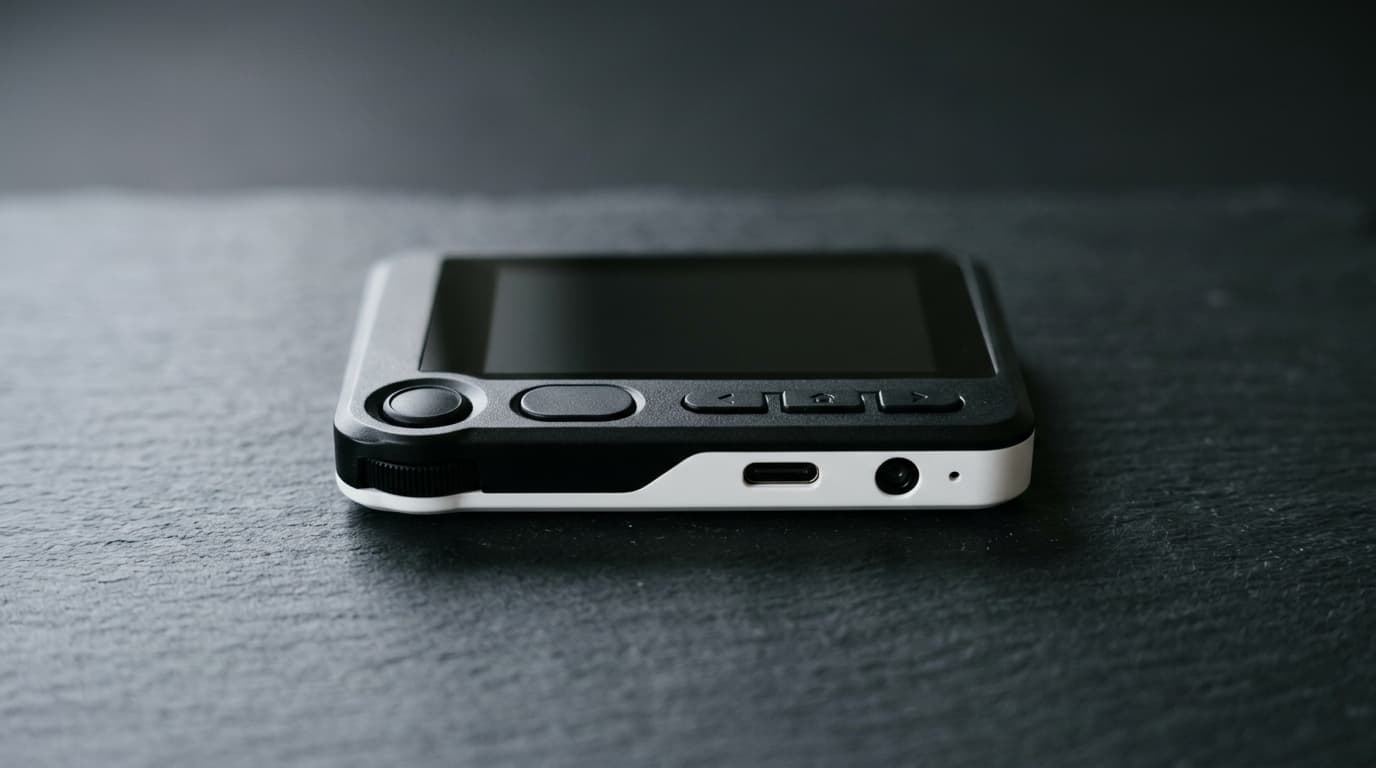
Users who've relied on Jade for routine transactions consistently report a device that feels "solid and user-friendly" with "snappy" signing and navigation. The 240 mAh internal battery holds charge well during regular use, and the compact form factor (roughly 60×24×17 mm, weighing 25 grams) makes it genuinely portable rather than something that lives permanently in a drawer.
The color screen, while modest compared to the larger Jade Plus display, proves sufficient for verifying transaction details on-device. This matters because it reduces reliance on your potentially compromised phone or computer screen when confirming addresses and amounts before signing.
For connectivity, Jade offers three options: USB-C, Bluetooth Low Energy, and air-gapped QR signing. In practice, the QR-focused workflow has emerged as the preferred method for security-conscious users. Signing Partially Signed Bitcoin Transactions (PSBTs) completely offline via the camera eliminates entire categories of attack vectors, even if it requires a few extra seconds per transaction.
Software Integration
Jade integrates smoothly with Blockstream Green (its native companion app), but also works reliably with BlueWallet, Sparrow, and other Bitcoin software. This flexibility enables more advanced workflows like multisig coordination and watch-only wallets.
A 2025 nonprofit review found that setup (seed generation, PIN configuration, and app pairing) takes only a few minutes thanks to clear guides and on-device prompts. The Bitcoin-only design simplifies the menu hierarchy, making routine operations more straightforward than on multi-coin devices that juggle complex asset menus.
That said, some newer users report difficulty with recovery tooling and seed handling. This appears to stem from a learning curve around best practices rather than device failure, but it's worth noting that Jade assumes a certain baseline of operational security knowledge.
The Security Model
Jade's security pitch centers on its open-source firmware and hardware design, which allows community verification of its codebase. This aligns with Bitcoin's transparency ethos and distinguishes it from competitors whose security relies on trusting the manufacturer's claims.
The device uses offline key storage, on-device verification, and PSBT workflows similar to other high-end hardware wallets. Its most distinctive trait remains the Bitcoin-only, open-source, QR-centric design rather than any novel cryptographic primitives.
Using Jade in QR-only, air-gapped mode with a separate, clean device for updates materially reduces the attack surface versus always-on Bluetooth or USB. While Bluetooth introduces additional potential attack surfaces, the option exists for users who prioritize convenience for lower-value transactions.
The December 2025 Security Incident
A year of daily use wouldn't be complete without discussing the firmware vulnerability disclosed in December 2025. Security researchers at DARKNAVY responsibly disclosed an issue affecting firmware versions 1.0.24 through 1.0.36 when paired with malicious third-party apps.
Blockstream's response was swift: firmware 1.0.37 shipped within three weeks of the report, followed by 1.0.38 a week later with anti-rollback protection that prevents devices from being downgraded to vulnerable versions.
Critically, Blockstream stated there were no confirmed cases of this vulnerability being exploited in the wild and no confirmed loss of user funds. Users who paired Jade only with Blockstream Green on a malware-free device, or used QR-only mode, faced minimal immediate risk.
The incident actually showcased mature security response practices. The cadence of releases and transparency of disclosure compared favorably to how other hardware wallet vendors have handled similar situations.
Firmware Improvements Over the Year
Beyond security patches, the firmware updates delivered genuine usability improvements. Version 1.0.37 brought a 35% camera speed boost for QR scanning, and 1.0.38 cut scan time by roughly 40% on top of that. For users relying on daily air-gapped transaction signing, these improvements materially affect the experience.
The Jade Plus, with its larger screen, shows even more dramatic benefits. A mid-2026 review after six months of daily use found the larger display materially improved transaction verification and navigation, making it "meaningfully more pleasant to use every day." For users interacting with Bitcoin regularly (payments, multisig coordination, portfolio rebalancing), the usability enhancements translate into real convenience.
Limitations Worth Acknowledging
Jade isn't for everyone. It supports only Bitcoin and the Liquid Network, with no native support for Ethereum, Solana, NFTs, or other altcoins. Users wanting a one-stop hardware wallet for diverse crypto holdings should look elsewhere.
The device defaults to a 12-word seed rather than 24, offers no built-in SLIP-39 Shamir backup, and provides somewhat limited multisig tooling compared to more feature-heavy competitors. It's better suited to users who can manage operational security themselves rather than those seeking hand-holding.
The partial reliance on external software platforms beyond Blockstream Green increases versatility but also means Jade's overall risk profile includes potential vulnerabilities in those third-party apps.
Pricing Context
Jade Classic pricing varies by region, but remains positioned as an affordable entry-level Bitcoin hardware wallet. A 2025 New Zealand review priced it at about 135 NZD via local resellers, while Jade Plus runs closer to 280 NZD including shipping.
The value proposition is clear: Jade Classic offers a camera and battery that some rivals reserve for higher price tiers. For users who don't need altcoin support, it delivers substantial functionality without flagship pricing.
The Verdict After One Year
For Bitcoin users who prioritize open-source integrity, verification over trust, and a focused rather than bloated feature set, Jade has earned its reputation as "arguably the best Bitcoin hardware wallet on the market" for certain user profiles.
The daily experience is competent and Bitcoin-centered. The security model holds up under scrutiny, and Blockstream's handling of the December 2025 disclosure demonstrated responsive stewardship. The price-to-capability ratio remains compelling.
The most important long-term practice for Jade users is straightforward: keep firmware updated. Future vulnerabilities (not yet disclosed) are most likely to affect users who stay on legacy firmware. The 1.0.24-1.0.36 incident proved this isn't hypothetical.
For power users running their own nodes, building multisig setups with Sparrow, or wanting advanced privacy features like coin control, Jade integrates seamlessly with existing stacks. For newcomers who can handle a modest learning curve, it offers genuine security without the price premium attached to proprietary alternatives.
Jade won't revolutionize how you think about Bitcoin security. It will, however, make existing best practices more accessible and affordable, which may matter more in the long run.