
Foundation Passport Review After Six Months of Daily Use
A research-based review of the Foundation Passport hardware wallet examining build quality, security, and real-world usability over extended daily use.
The Foundation Passport boots in 6.15 seconds. That specific detail, documented by users who time these things, tells you something about the design philosophy behind this Bitcoin-only hardware wallet. It's fast, deliberate, and built for people who actually use their cold storage regularly rather than letting it collect dust in a safe.
After reviewing user reports, documentation, and third-party assessments spanning from the device's 2022 launch through 2026, a clear picture emerges of how the Foundation Passport (now marketed as Passport Core) performs for daily Bitcoin security management.
What Makes the Passport Different
The Passport takes an uncompromising approach to air-gapped security. There's no Bluetooth, no WiFi, no USB data connection. Transactions move between the device and your wallet software exclusively through QR codes or microSD card. This eliminates entire categories of attack vectors that plague connected devices.
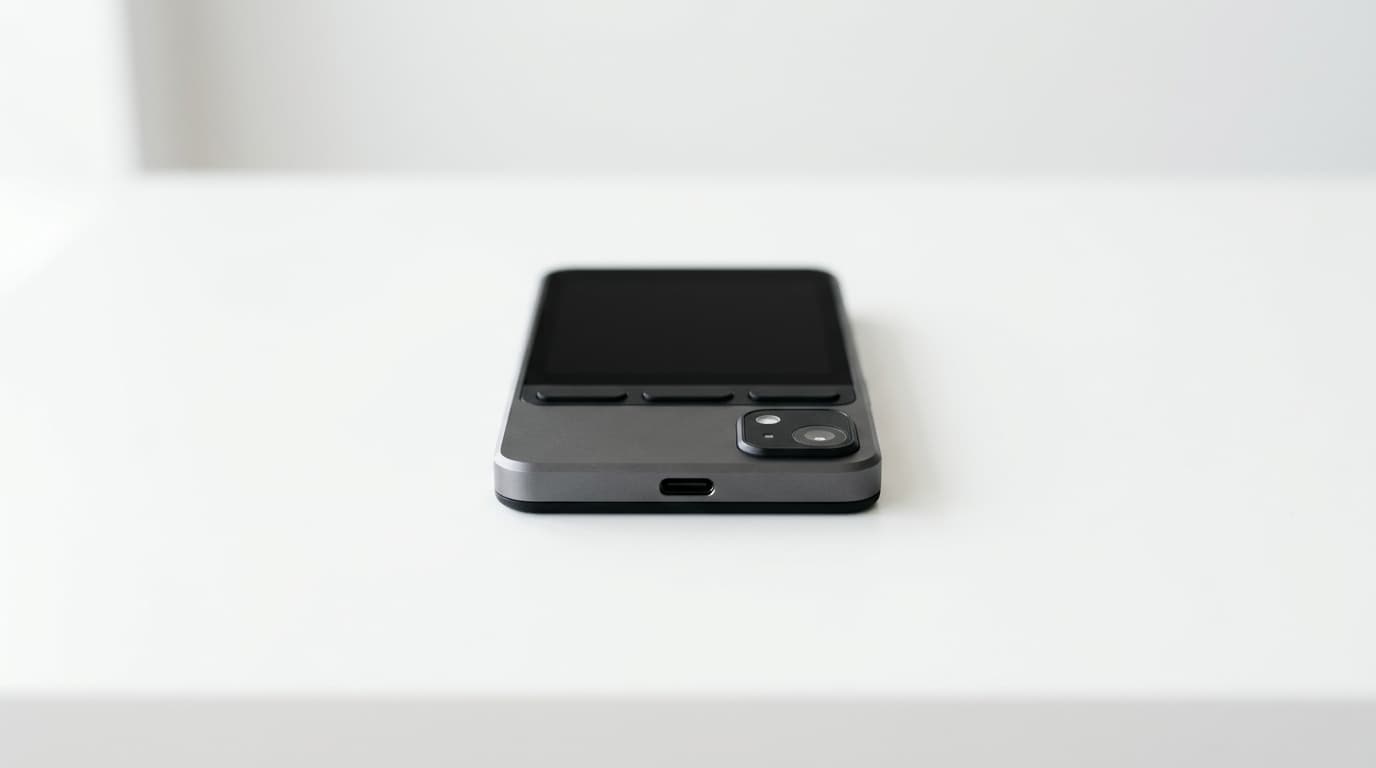
The hardware itself draws obvious inspiration from Nokia's golden era of mobile design. The physical keypad and color screen create an interface that users consistently describe as intuitive, even for those new to hardware wallets. According to a March 2026 review from bitcoin.diy, the device scores high marks for both its premium build quality and ease of navigation.
Both firmware and hardware designs are open-source, a meaningful distinction in an industry where "trust us" is often the default security model. The device uses a secure element specifically for seed storage while keeping the rest of the system auditable.
Daily Use Reality
For Bitcoiners who frequently verify addresses or manage cold storage, the Passport appears well-suited to regular handling. User reports indicate responsive navigation without noticeable latency, which matters when you're checking receive addresses multiple times per week.
The rechargeable Nokia BL-5C battery delivers approximately 3-4 hours of continuous use. For typical daily operations (powering on, verifying an address, signing an occasional transaction), this translates to weeks between charges. While no systematic studies of battery degradation over six months of daily use have surfaced in recent sources, the general absence of complaints about hardware failures in user discussions suggests reasonable durability.
The current Batch 2 model includes USB-C charging (power-only, not data), an improved microSD slot, and compatibility with popular wallet software including Envoy (Foundation's own companion app), Sparrow, and Electrum.
The Trade-offs
The Passport is Bitcoin-only. If you hold other cryptocurrencies and want a single device for everything, this isn't it. Foundation made a deliberate choice here, arguing that Bitcoin-only focus allows for cleaner code and reduced attack surface. Whether that trade-off works for you depends entirely on your portfolio.
The air-gapped design, while excellent for security, does add friction compared to USB-connected wallets. Scanning QR codes back and forth takes more time than clicking "confirm" on a tethered device. For most security-conscious users, this friction is the point. But it's worth acknowledging.
Pricing sits at the premium end of the hardware wallet market. You're paying for US manufacturing, open-source design, and the Nokia-reminiscent build quality. Users who prioritize these factors seem satisfied; those looking for the cheapest path to cold storage have other options.
Passport Prime on the Horizon
Foundation announced Passport Prime in December 2024, featuring NFC capability and two-factor authentication. After some delays, shipping began in batches during mid-2025. This newer model expands the feature set for users who want additional functionality, though it moves away from the purely air-gapped philosophy of the original.
The existence of Prime doesn't obsolete the Core model. For users who specifically want maximum air-gap isolation, the QR-and-microSD-only approach of Passport Core remains the more security-hardened choice.
Who Should Consider It
The Passport Core makes sense for Bitcoiners who check their cold storage regularly, value open-source transparency, and prioritize air-gapped security over convenience. The premium pricing and Bitcoin-only limitation narrow the audience intentionally.
Based on accumulated user feedback and third-party assessments through 2026, the device appears to deliver on its core promises: reliable security, intuitive daily operation, and build quality that holds up to regular use. The absence of widespread complaints about hardware failures or security incidents over the product's four-year history suggests Foundation's approach is working.
For those who treat Bitcoin security as something worth investing in properly, the Passport represents a thoughtful, well-executed option in an increasingly crowded hardware wallet market.