
How to Configure IVPN for Bitcoin Node Security and Transaction Privacy
Step-by-step guide to configuring IVPN for Bitcoin privacy, including router setup for node protection and multi-hop for transaction security.
Every time your Bitcoin node syncs with the network, it announces your IP address to peers worldwide. Your ISP sees the traffic pattern. Anyone watching can connect your identity to your Bitcoin activity. For node operators who take privacy seriously, this is the fundamental problem that needs solving.
IVPN offers one approach: route your node's traffic through encrypted tunnels so your ISP sees only VPN connections, not Bitcoin protocol traffic. It's not the only solution (Tor exists), but it's worth understanding what IVPN provides and where its limitations lie.
What IVPN Actually Does for Bitcoin Users
When you run a Bitcoin full node, it communicates over port 8333 by default. Without protection, this traffic is visible to your internet provider and anyone monitoring your connection. IVPN encrypts all traffic leaving your network, hiding both the content and the destination from your ISP.
The service uses AES-256 encryption and supports both WireGuard and OpenVPN protocols. Independent security audits have verified their no-logs policy, which matters when you're trusting a third party with your traffic metadata. Unlike many VPN providers that accept only credit cards, IVPN accepts Bitcoin and Monero payments, allowing you to sign up without linking payment identity to your VPN account.
Router-Level Setup for Full Node Protection
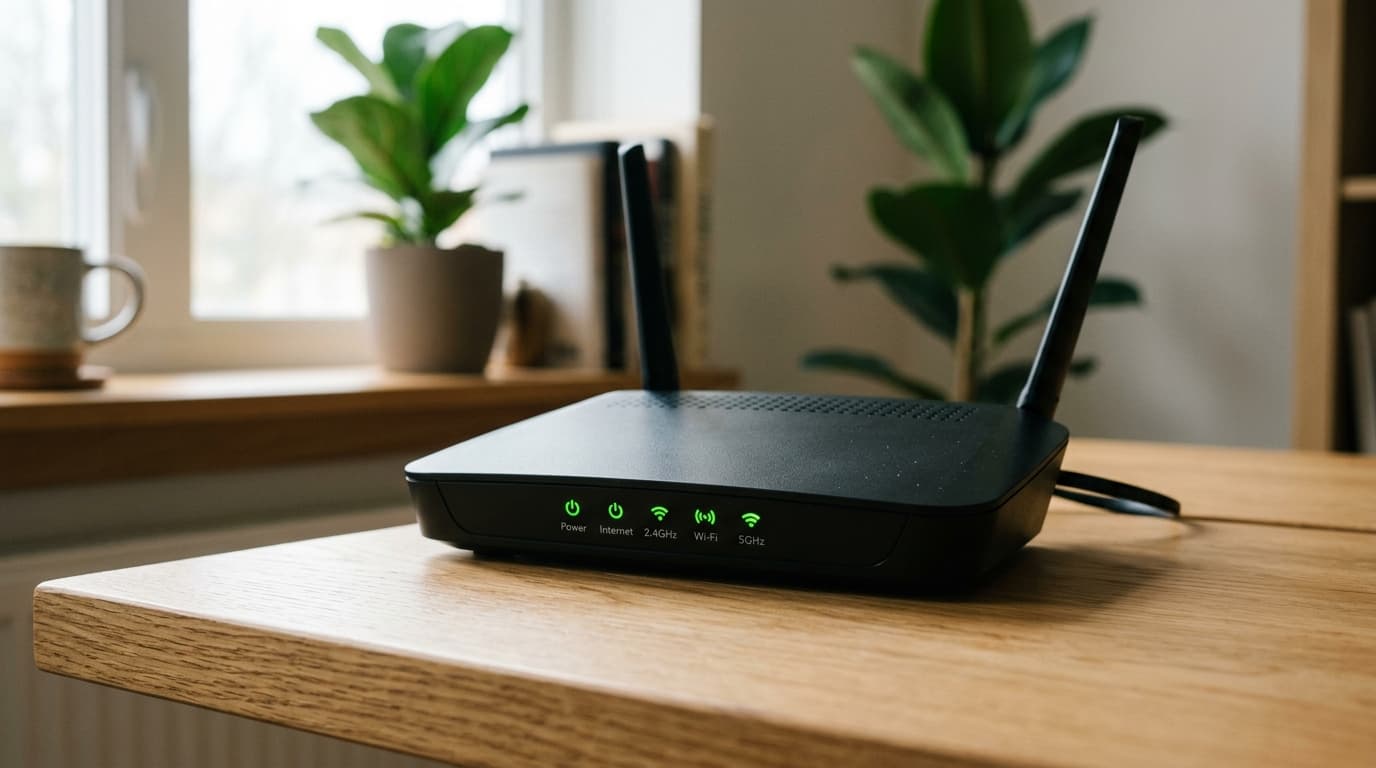
The most effective approach for Bitcoin node security is configuring IVPN at the router level rather than on individual devices. This ensures all traffic from your node passes through the VPN, even if the node software itself has no VPN awareness.
IVPN provides setup guides for various routers using OpenVPN or WireGuard. The basic process involves:
- Logging into your router's administration panel
- Finding the VPN client configuration section
- Entering your IVPN account ID (no username/password needed)
- Importing IVPN's server configuration files
- Enabling the connection and verifying traffic routes correctly
For Bitcoin nodes specifically, you'll want to assign your node a static IP on your local network. This ensures the router always routes node traffic through the VPN tunnel consistently.
Port Forwarding Considerations
Here's where things get tricky. Bitcoin nodes need inbound connections on port 8333 to fully participate in the network. Without port forwarding, your node can still sync and verify transactions, but it won't serve blocks to other nodes.
Most VPN services, including IVPN, don't support traditional port forwarding because it compromises anonymity. If you need a publicly reachable node, you have a few options: accept running a "listening" node only (still useful for your own verification), use a VPS with the VPN installed, or consider whether Tor might be a better fit for your threat model.
Multi-Hop Routing for Enhanced Privacy
IVPN offers a feature called multi-hop that routes your traffic through two separate servers in different jurisdictions before reaching its destination. For Bitcoin users making transactions or checking wallet balances, this adds meaningful protection.
With multi-hop enabled, even if one server were compromised or compelled to log traffic, the attacker would only see encrypted traffic heading to another VPN server, not your actual Bitcoin-related destination. The tradeoff is increased latency, which matters less for node operation (where sync speed isn't critical) than for regular browsing.
To enable multi-hop, you configure an entry server and an exit server through IVPN's apps or by combining server configurations manually on routers.
The Trust Tradeoff You Need to Understand
Using any VPN for Bitcoin privacy involves a fundamental trust shift. You're moving trust from your ISP to the VPN provider. For many users, this is a reasonable trade: ISPs have clear legal obligations to respond to subpoenas and often monetize customer data, while IVPN's business model depends on protecting user privacy.
But it's still trust. IVPN runs the servers. They could theoretically log traffic metadata even if their policy says otherwise. Independent audits help verify claims, but they're snapshots in time.
The alternative is running your node over Tor, which distributes trust across thousands of volunteer relays with no single point capable of seeing both your identity and your traffic destination. Tor is slower and can be less reliable, but it removes the need to trust any single provider.
For most Bitcoin users, the practical choice depends on your threat model. If you're primarily concerned about ISP surveillance and commercial data harvesting, IVPN provides meaningful protection with better performance than Tor. If you're worried about determined state-level adversaries, Tor's architecture offers stronger guarantees (though it has its own weaknesses).
Practical Configuration for Daily Use
Beyond running a node, Bitcoin users often want VPN protection when checking exchange accounts, using block explorers, or broadcasting transactions. IVPN's approach works well here.
For exchange access, the main concern is preventing your ISP from seeing which services you use. Any IVPN server configuration handles this. The built-in AntiTracker feature also blocks advertising trackers that might otherwise correlate your browsing with your Bitcoin activity.
For transaction broadcasting, consider using multi-hop with exit servers in privacy-friendly jurisdictions. This adds an extra layer between your broadcast and any monitoring of transaction origins.
What This Setup Won't Solve
A VPN doesn't make Bitcoin transactions anonymous on-chain. Your UTXO history, address reuse patterns, and transaction graph remain visible to blockchain analysis regardless of how you access the network. IVPN protects your network-level identity, not your on-chain privacy.
For comprehensive Bitcoin privacy, you'd combine network protection (IVPN or Tor) with on-chain measures like CoinJoin implementations, Lightning Network usage, or careful UTXO management. Each layer addresses different threats.
Making the Decision
IVPN's combination of verified no-logs policies, cryptocurrency payment options, and straightforward router configuration makes it a reasonable choice for Bitcoin users who want better network privacy without the complexity of running everything through Tor.
The honest assessment: you're trading one trust relationship for another, hopefully a better one. The service costs money (plans start around $6/month for the basic tier). You'll need some technical comfort with router configuration. And you should understand that this protects your network identity, not your Bitcoin transaction graph.
For users running nodes at home who want to keep that activity invisible to their ISP, or anyone accessing exchanges and wallets from networks they don't fully control, these tradeoffs often make sense. Just go in with clear expectations about what protection you're actually getting.