
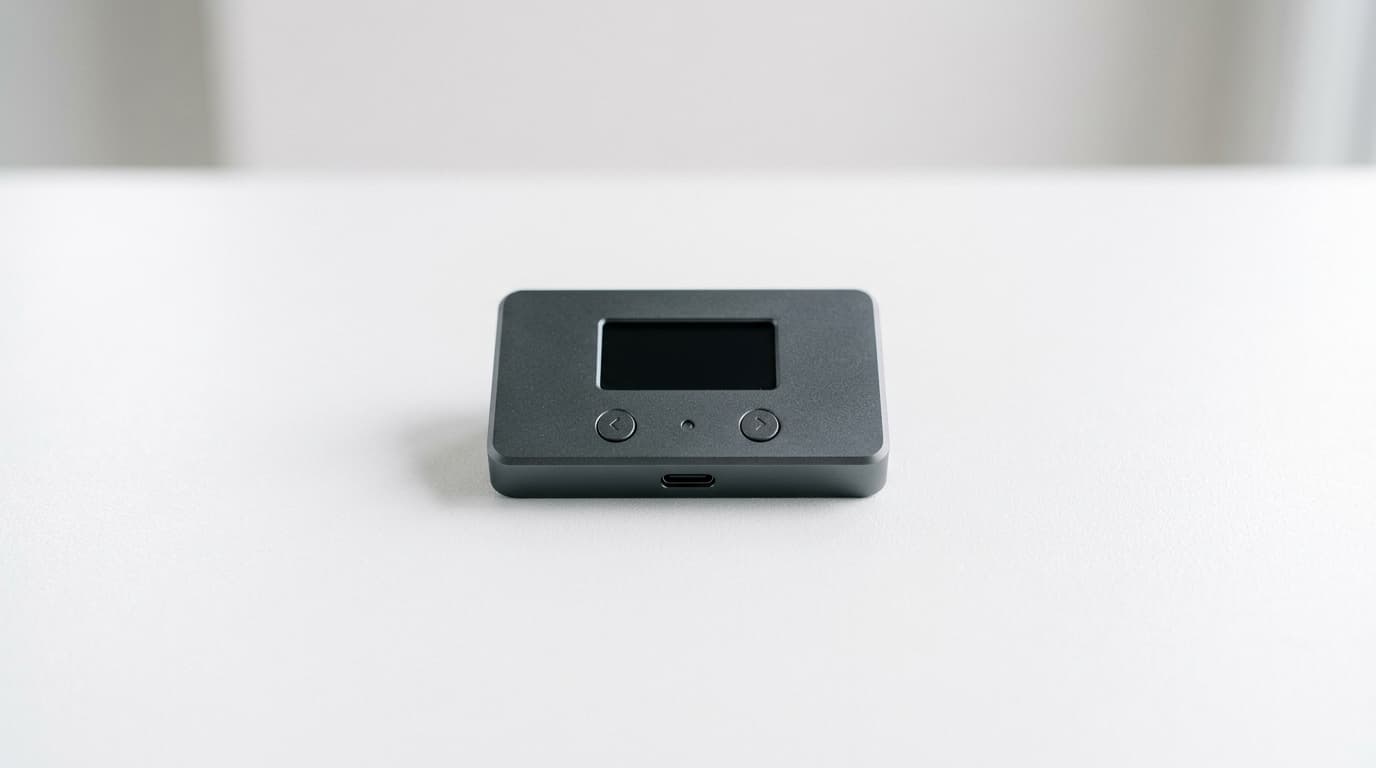
Liana Wallet Review After 8 Months of Real-World Bitcoin Inheritance Planning
A research-based review of Liana Wallet's timelock inheritance features, covering setup, maintenance requirements, and how it compares to traditional multisig.
Most Bitcoin holders avoid thinking about what happens to their coins when they die. The technical barriers feel insurmountable: How do you give heirs access without giving them access now? How do you avoid custodians while still creating a safety net?
Liana Wallet attempts to solve this problem using Bitcoin's native timelock functionality, and after examining eight months of user feedback, documentation updates, and the September 2025 feature releases, a clearer picture emerges of what works, what demands ongoing attention, and who this wallet actually serves.
The Core Concept Behind Liana
Liana, developed by Wizardsardine and launched in 2023, uses Miniscript to create what the team calls "recovery paths." Your primary spending key works normally. But if that key remains unused for a specified period (say, 12 months), a secondary recovery key automatically gains spending authority.
This is inheritance planning without lawyers, third parties, or trust assumptions beyond Bitcoin itself. Your heirs receive a recovery key and the wallet descriptor. If you stop refreshing your UTXOs (because you're incapacitated or dead), the timelock expires and they can recover the funds.
The technical elegance is real. But so are the operational demands.
What Eight Months of User Feedback Reveals
No comprehensive long-term reviews of Liana's inheritance features have been published as of April 2026. However, Reddit discussions from 2024 and 2025 reveal consistent themes from users who've been living with the wallet.
The most frequently cited friction point: timelock maintenance. Every UTXO in Liana carries its own countdown. To prevent recovery paths from activating prematurely, users must periodically spend their coins to new timelocked outputs, effectively resetting the clock. This isn't a bug; it's how on-chain timelocks fundamentally work.
For someone checking their wallet monthly, this is manageable. For someone who wants to set up inheritance and forget about it for years, Liana requires a mindset shift. You're not just holding Bitcoin; you're actively maintaining your inheritance plan.
The September 2025 Update Changes the Security Picture
Liana v13.0, released in September 2025, addressed one of the wallet's persistent concerns: descriptor backup security.
Previously, storing your wallet descriptor (which heirs need for recovery) meant choosing between convenience and security. The new encrypted descriptor backup feature uses public keys for encryption, allowing secure storage without privacy leaks. You can now safely store backups in less-than-perfectly-secure locations, knowing the descriptor remains protected until the intended recipient decrypts it.
Other improvements in the same release include optional fiat display (pulling prices from CoinGecko and mempool.space), a refined key setup interface, testnet4 support, and automatic balance refresh. These are quality-of-life improvements, but the encrypted backup feature directly addresses inheritance planning concerns.
Setup Complexity and Hardware Wallet Support
Liana supports multisig configurations with hardware wallets including Ledger, Coldcard, and Jade. The wallet pioneered "decaying multisig" setups, where signature requirements decrease over time, useful for scenarios where a 3-of-5 multisig might become impossible to sign if key holders become unavailable.
According to Wizardsardine's documentation, the recovery process for heirs is designed to be straightforward: install Liana, load the wallet descriptor, and plug in the designated signing device. No deep Bitcoin knowledge required.
The initial setup, however, demands more technical comfort. Liana requires a Bitcoin node (though a pruned node works). Users comfortable running Bitcoin Core will feel at home. Those who've only used mobile wallets may face a learning curve.
The DIY vs. Paid Support Question
As of 2024, Wizardsardine offered a paid "Inheritance Plan" at €500 per year, including consultant-assisted setup, ongoing support, and recovery assistance. The free DIY option provides the same software without the hand-holding.
For users confident in their technical abilities, the DIY path works. For those wanting assurance that their inheritance plan is correctly configured, the paid option provides a sanity check. Whether that pricing remains current in 2026 should be verified directly with Wizardsardine.
How Liana Compares to Traditional Multisig
Standard multisig (2-of-3, 3-of-5, etc.) solves key loss and theft but doesn't inherently solve inheritance. If you die holding one key of a 2-of-3 setup, your heirs need to coordinate with whoever holds the other keys. That might be a service provider, a friend, or no one identifiable.
Liana's timelock approach inverts this. Your heirs don't need anyone's cooperation; they need only time to pass. The tradeoff is that you must actively maintain your setup during your lifetime.
Neither approach is strictly superior. Traditional multisig requires less ongoing attention but more coordination at recovery time. Liana requires more maintenance but offers cleaner, trustless recovery.
Privacy Considerations Worth Understanding
One criticism raised in 2026 analysis: Liana's approach involves wallet descriptors that, if exposed, reveal your extended public keys (xpubs). This isn't unique to Liana (any watch-only wallet setup has similar properties), but it's worth understanding. Anyone with your descriptor can track your balance and transaction history.
Liana's documentation is explicit about this, and the September 2025 encrypted backup feature mitigates the risk. But users should store descriptors with the same care they'd give to private keys.
Looking Forward
Wizardsardine announced in January 2026 that a Liana Business edition for organizations is in development. This suggests the team sees timelock-based inheritance and recovery as relevant beyond individual users, potentially for corporate treasury management or multi-party business arrangements.
For individual users considering Liana today, the fundamental question remains: Are you willing to maintain your inheritance plan actively, refreshing timelocks periodically, in exchange for trustless recovery? If yes, Liana offers a genuinely self-sovereign solution. If you want something you can configure once and ignore for decades, you'll either need to accept some custodial tradeoffs or reconsider your expectations about how on-chain Bitcoin inheritance can work.
The wallet doesn't pretend to be simple. It pretends to be sovereign. Based on the available evidence, it delivers on that promise, provided you understand what sovereignty actually demands.