
NYDIG Buys Alcoa's Massena East Smelter for Bitcoin Mining Operations
NYDIG is acquiring Alcoa's dormant 435 MW Massena East smelter in New York, signaling a major shift in how industrial energy assets get repurposed.
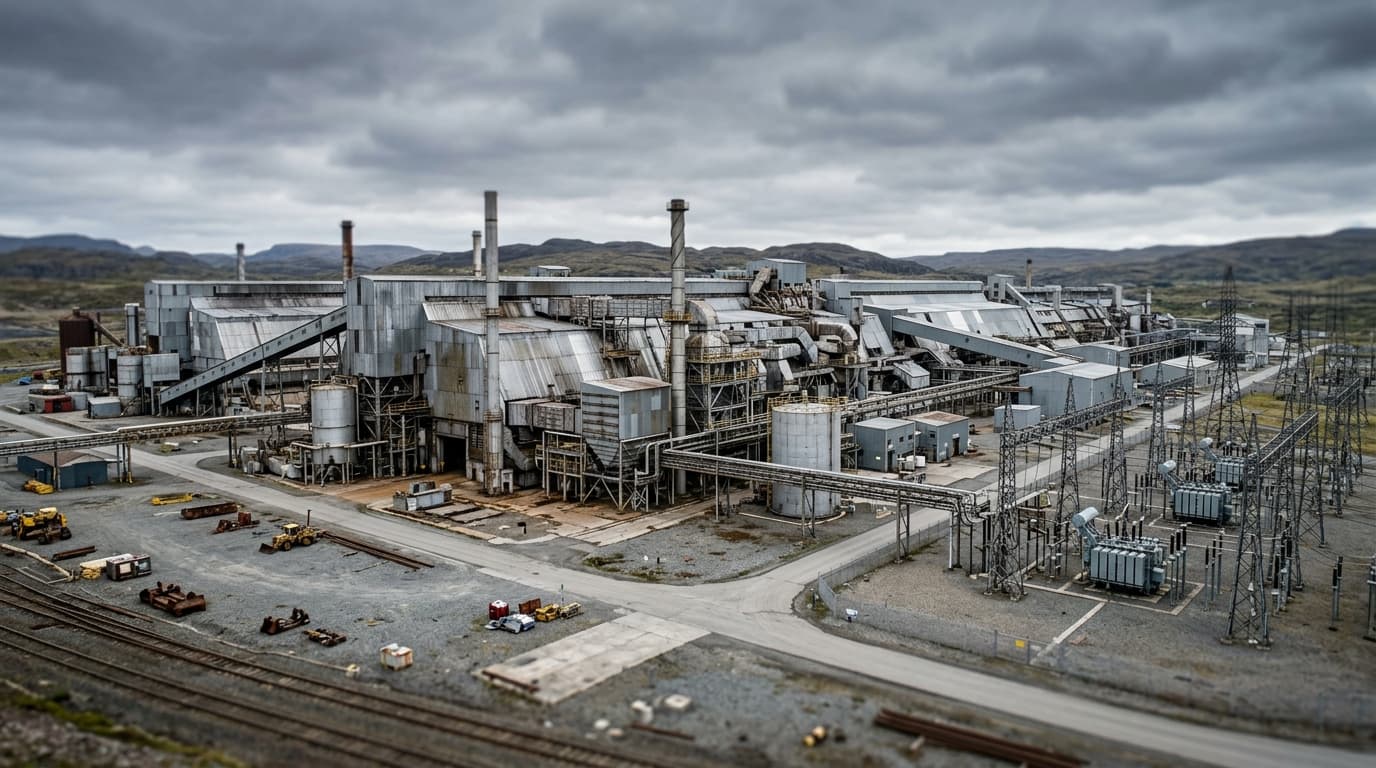
A 1,300-acre aluminum smelter along the St. Lawrence River that hasn't produced metal since 2014 is about to get a new purpose. Alcoa is in advanced talks to sell its Massena East facility in upstate New York to NYDIG, with the deal expected to close by mid-2026.
The transaction represents more than a simple real estate sale. It signals a broader transformation in how America's aging industrial infrastructure finds new economic life, and Bitcoin mining is emerging as a leading candidate for that revival.
From Aluminum to Bitcoin
The Massena East site stopped smelting aluminum over a decade ago, a casualty of high energy costs and global competition that made domestic production uneconomical. What remained was something valuable: direct access to 435 megawatts of hydropower from the New York Power Authority.
That power access attracted Coinmint, which signed a 10-year lease with Alcoa in 2018 and began operating Bitcoin mining equipment on the property. Today, the site hosts approximately 54,000 Bitcoin miners consuming 166 MW and employing around 85 workers.
NYDIG took a strategic stake in Coinmint in October 2024, a move that prompted some hosted mining clients, including CleanSpark, Gryphon, and Bit Digital, to exit the facility. The pending Alcoa acquisition would give NYDIG direct ownership of the underlying infrastructure rather than relying on lease arrangements.
A Pattern Emerges
This isn't an isolated transaction. Alcoa has announced plans to offload roughly 10 idle smelter sites across the United States to data center and mining developers. The company appears to have concluded that selling these assets to energy-hungry tech operations makes more sense than waiting for aluminum markets to shift in their favor.
Other aluminum producers are reaching similar conclusions. Century Aluminum sold its Hawesville smelter to TeraWulf for $200 million in 2025, with the new owner planning to use the site for high-performance computing and AI applications.
The common thread: industrial facilities built for 20th-century manufacturing often sit on top of substantial, permitted power infrastructure. That infrastructure took decades and significant capital to develop. Rather than letting it sit idle, owners are discovering that compute-intensive industries will pay for access.
NYDIG's Growing Footprint
The Massena East acquisition fits into NYDIG's broader expansion strategy. In March 2025, the company agreed to purchase Crusoe Energy's Bitcoin mining business, adding over 270 MW of capacity to its portfolio.
Not everything has proceeded smoothly. A lawsuit filed by Mintvest Capital claims NYDIG effectively acquired Coinmint for approximately $200 million, raising questions about the terms of that earlier stake acquisition. How those disputes resolve could affect the operational picture at Massena East.
What This Means
The transaction illustrates a genuine tension in energy policy. Hydropower from the St. Lawrence River is a clean, baseload energy source. Should it power Bitcoin mining, which critics argue provides limited societal benefit, or should it be reserved for manufacturing, data centers serving AI workloads, or local consumption?
Proponents of mining at industrial sites argue the math often works out favorably. These facilities already have environmental permits, transmission infrastructure, and industrial zoning. Bitcoin miners can operate flexibly, ramping down during peak demand periods when the grid needs relief. And they bring jobs and tax revenue to communities that lost both when the original industrial tenants departed.
Skeptics counter that locking up hundreds of megawatts for Bitcoin mining forecloses other potential uses and that the jobs-per-megawatt ratio for mining tends to be lower than for traditional manufacturing.
The Massena East deal won't resolve that debate. But it does establish a data point: at current economics, NYDIG is willing to pay for a dormant smelter, and Alcoa is willing to sell. Similar calculations are playing out at industrial sites across the country.
For communities hosting these aging facilities, the relevant question may be less about the philosophical merits of Bitcoin and more about the practical alternatives. When an aluminum smelter closes, the best-case scenario is often a long wait for an uncertain future tenant. Bitcoin mining offers something more immediate, even if it comes with its own uncertainties.