
Paul Sztorc's eCash Fork Creates Hazardous Bitcoin Airdrop Risk for Hardware Wallet Users
Developers warn Sztorc's eCash proposal could expose hardware wallet users to replay attacks when claiming airdropped tokens. Here's what you need to know.
If you hold Bitcoin in a hardware wallet, a proposed August 2026 fork could force you into a dangerous choice: move your cold storage funds to claim free tokens, or watch others profit while you stay safe.
Paul Sztorc, founder and CEO of LayerTwo Labs, announced in late April 2026 a Bitcoin hard fork called eCash scheduled for block height 964,000. The proposal promises a 1:1 airdrop to all Bitcoin holders at the snapshot block, meaning someone holding 4.19 BTC would receive 4.19 eCash tokens on the new chain.
But developers are sounding alarms about the operational risks this creates, particularly for users who keep Bitcoin in cold storage.
The Replay Attack Problem
Dan Held, a Bitcoin entrepreneur, described the fork's approach to replay protection as "quite hazardous to redeem." The concern centers on a technical issue: without full replay protection, a valid transaction signed for the eCash network could potentially be broadcast and accepted on the Bitcoin network.
This means claiming your airdropped eCash tokens could accidentally move your actual Bitcoin.
Sergio Lerner, co-founder of Rootstock Labs, stated in May 2026 that airdropping to UTXO owners "exposes them to significant risk" by forcing movement of funds from cold storage and interaction with unfamiliar software.
For hardware wallet users, the calculus becomes particularly uncomfortable. Your whole security model depends on minimizing exposure, keeping keys offline, and avoiding unnecessary transactions. An airdrop that requires you to sign transactions with your cold storage keys to claim tokens inverts that entire approach.
What the Fork Actually Does
The eCash chain will integrate Drivechains (BIP 300 and BIP 301), enabling seven sidechain projects at launch including privacy chains, prediction markets, decentralized exchanges, and quantum-resistant technology. Sztorc has positioned this as fulfilling his long-standing vision for Bitcoin Layer-2 development.
The fork uses the same SHA-256 hashing algorithm as Bitcoin, meaning it competes for the same ASIC mining hardware. A mandatory difficulty reset at genesis will lower mining barriers initially, but this creates its own risk: if eCash achieves significant market valuation, it could trigger "miner wars" that temporarily disrupt Bitcoin's hash rate and block times.
The client code will be frozen 30 days before the fork date. Unlike some historical Bitcoin forks, Sztorc's team promises coin-separation tools to help users distinguish BTC from eCash assets and reduce transfer errors.
The Satoshi Coin Controversy
Beyond the technical risks, the proposal has ignited a property rights debate. Sztorc plans to manually reassign approximately 600,000 eCash tokens, representing roughly half of Satoshi Nakamoto's estimated 1.1 million dormant BTC, to accredited investors to fund project development.
Bitcoin lawyer Peter McCormack characterized this as "theft," questioning whether such precedent-setting seizures could affect other dormant holdings in future forks.
Sztorc has clarified that the hard fork will not touch Satoshi's actual BTC on the legacy Bitcoin network; the 600,000 eCash allocation occurs only on the new chain. Critics counter that this distinction, while technically accurate, still establishes a troubling norm where fork creators can arbitrarily reassign coins based on wallet activity.
Protecting Yourself Before August
If you're holding Bitcoin in self-custody, you have several months to consider your options before the snapshot block.
The safest approach may simply be ignoring the airdrop entirely. The tokens you'd receive have no guaranteed value, and the risks of moving cold storage funds or interacting with unfamiliar software could outweigh speculative gains.
For those who want the option to claim eCash tokens without jeopardizing their main holdings, consider restructuring your custody setup now. Services like Casa offer multi-signature vaults where you can isolate a small portion of holdings specifically designated for fork claims, keeping your primary Bitcoin in a separate multisig configuration that never touches airdrop-related transactions.
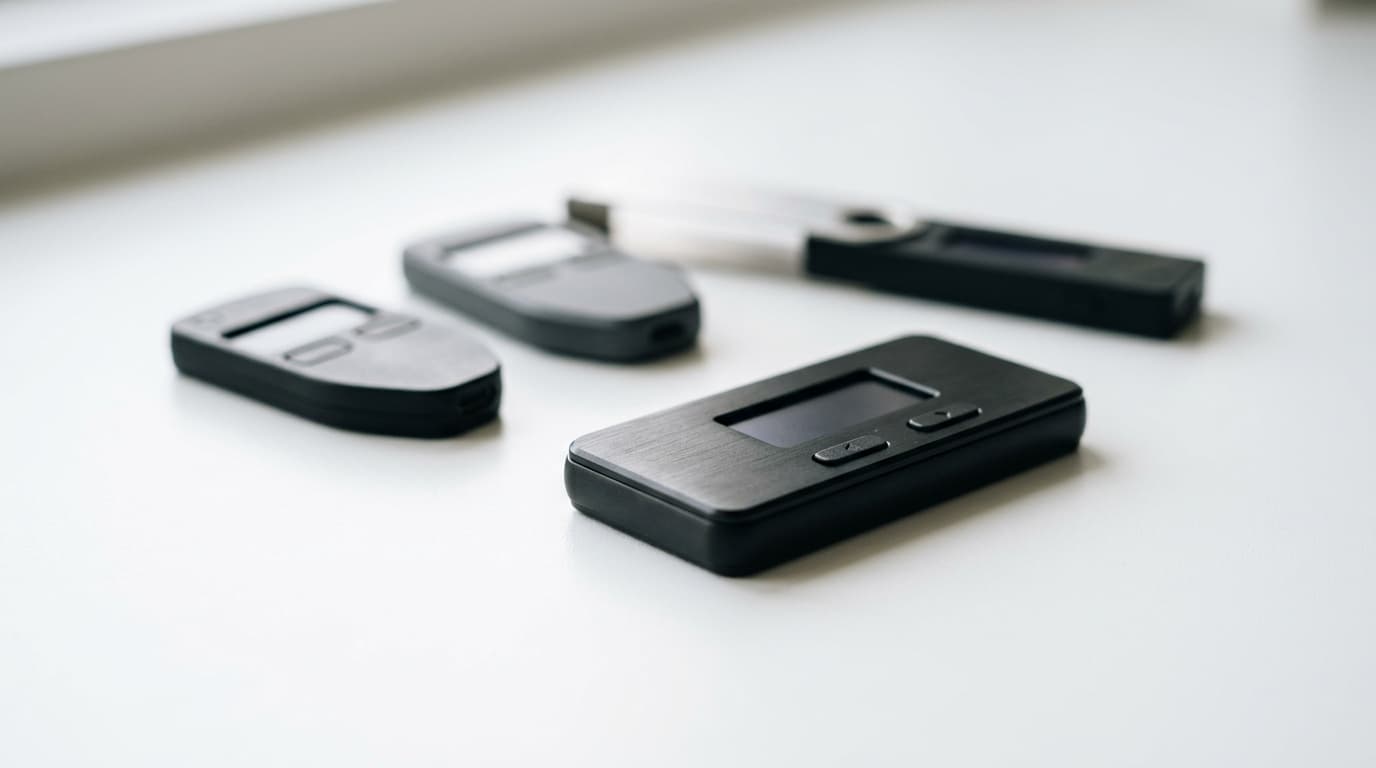
Hardware wallets like TapSigner, with their NFC tap-to-sign workflow and $20 price point, can serve as dedicated signing devices for fork experimentation. Using a separate, low-value signing device for eCash claims means your primary cold storage never needs to interact with the new chain's software.
The key principle: don't let the promise of free money compromise a security setup that works.
The Naming Problem
Adding to the confusion, an established cryptocurrency already named eCash (XEC) exists as a continuation of Bitcoin Cash ABC. This creates potential naming confusion and could lead to exchange listing disputes.
Sztorc's choice to use an already-claimed name suggests either deliberate provocation or insufficient research into the existing cryptocurrency landscape. Either way, users should be prepared for confusion when discussing or trading these tokens.
Looking Forward
Some developers have framed the proposal as an airdrop rather than a true fork, distinguishing it from hostile hard forks like Bitcoin Cash and Bitcoin SV. The distinction matters: Sztorc isn't claiming his chain is "the real Bitcoin" or trying to steal the Bitcoin name.
But the operational risks to users remain real regardless of how the project markets itself. Hardware wallet users face a genuine tension between security best practices and the desire to capture value from forks.
The distribution structure also favors self-custodial holders over exchange users, and accredited investors get preferential access to tokens that would otherwise belong to dormant wallets. Whether you view this as clever bootstrapping or unfair allocation depends largely on your relationship to those categories.
August 2026 is still months away. The code will be frozen 30 days before the fork, giving users time to evaluate the actual coin-separation tools and replay protection mechanisms before making decisions. Until then, the wisest move may be doing nothing at all, which happens to be exactly what good cold storage practice recommends anyway.