
How to Structure Renewable Energy Bitcoin Mining Deals with Satoshi Energy Platform
Learn how Satoshi Energy connects Bitcoin miners with renewable power through PPAs, behind-the-meter structures, and Bitcoin-native settlement software.
Bitcoin mining operations consume electricity at scale, and the economics of that consumption determine whether a mining business thrives or struggles. For large-scale miners, securing affordable, reliable power isn't just about finding cheap rates; it's about structuring deals that manage price volatility, reduce curtailment losses, and align incentives with energy generators. That's exactly the problem Satoshi Energy was built to solve.
The platform operates as a Bitcoin-native energy brokerage, connecting utility-scale mining and data center operations with renewable power generation. As of early 2026, Satoshi Energy has originated 1.2 GW of powered land with 5 GW under development, including 467 MW under definitive agreements in ERCOT Texas. Understanding how these deals get structured reveals a sophisticated approach to energy procurement that differs substantially from traditional power purchasing.
The Powered Land Model
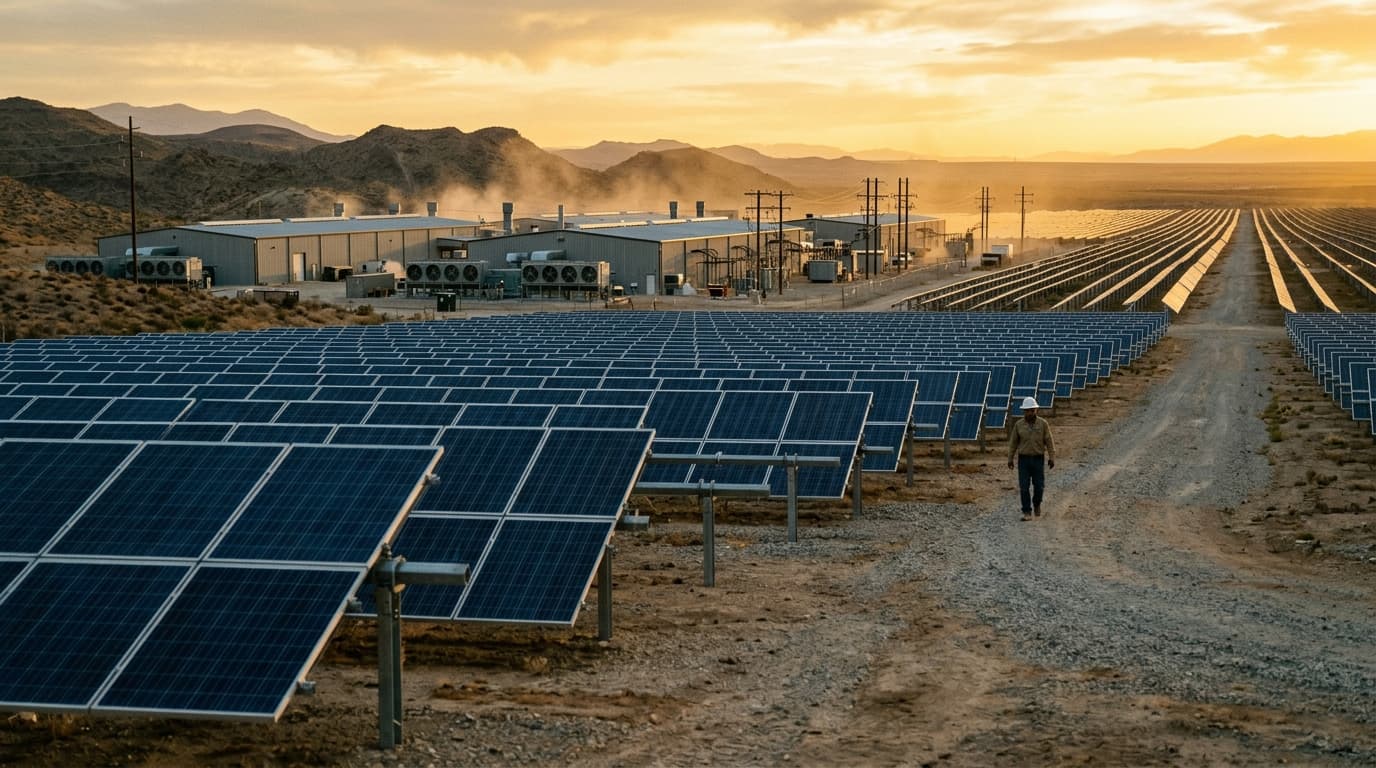
Satoshi Energy's core offering centers on "powered land development," which means identifying sites colocated with existing or planned renewable generation (wind farms, solar arrays) and preparing them for Bitcoin mining operations. The company handles site selection, interconnection applications, regulatory compliance, and contract negotiations.
The process works like this: Satoshi Energy develops a site to the "notice to proceed with construction" stage, then transfers it to the mining operator who builds and runs the facility. This approach lets miners focus on what they do best (operating mining equipment efficiently) while offloading the complex, time-consuming work of energy origination to specialists.
Behind-the-meter arrangements form the backbone of most deals. Rather than drawing power through the grid and paying retail or wholesale rates plus transmission fees, miners connect directly to generation assets. This structure eliminates transmission costs and, critically, allows miners to absorb excess generation that would otherwise be curtailed or sold at depressed (sometimes negative) prices.
PPA Structures That Actually Work
Power purchase agreements for Bitcoin mining look different from traditional industrial PPAs. The key innovation is building in flexibility that benefits both parties.
Standard industrial consumers want stable, predictable power. Miners, by contrast, can ramp consumption up or down within minutes. This flexibility has real value to renewable generators who face curtailment during periods of oversupply or negative pricing events. Satoshi Energy structures agreements that leverage this characteristic.
Typical deal structures include nodal pricing components that reflect local grid conditions, contracts for differences that hedge against price swings, and provisions for curtailment participation where miners reduce load during grid stress (often earning payments for doing so). These aren't theoretical constructs; the company has executed deals using these mechanisms across multiple Texas wind facilities since 2024-2025.
For generators, the appeal is straightforward: monetize stranded energy that would otherwise be wasted. For miners, it means accessing power at costs that make operations viable even during challenging Bitcoin price environments.
Managing Curtailment and Grid Economics
Curtailment remains one of the most significant economic challenges for renewable energy projects. When a wind farm produces more electricity than the grid can absorb, operators must either reduce output or accept negative pricing. Both options destroy value.
Bitcoin mining offers a release valve. Through partnerships like the November 2025 collaboration with Gridmatic and Cholla, Satoshi Energy has developed systems where mining loads flex in response to real-time grid conditions. When wholesale prices spike, miners can dial back operations and even sell power back. When prices collapse or go negative, miners can absorb cheap electricity that would otherwise be wasted.
This isn't altruism; it's economics. Miners get low-cost power, and generators get a buyer who takes their worst-priced output. The arrangement also provides ancillary benefits to grid operators who gain flexible load that can respond to supply fluctuations faster than traditional demand-side management programs.
Critics, including groups like Greenpeace, have argued that mining operations strain electrical grids regardless of their power source. The counterargument from the industry is that flexible mining loads actually improve grid stability by absorbing renewable oversupply and reducing during peak demand. Both perspectives have merit, and the actual impact depends heavily on how specific operations are structured and managed.
Bitcurrent Software for Settlement and Optimization
Deals are only as good as their execution, and managing power transactions at scale requires specialized software. Satoshi Energy's Bitcurrent platform handles the operational side of structured energy agreements.
The system includes three core modules. Energy Manager optimizes when and how much power to consume based on real-time pricing, grid conditions, and mining economics. Settlement Manager automates high-frequency invoicing and payments, supporting both USD and Bitcoin settlement options. Collateral Manager uses digital currency to reduce counterparty risk and unlock working capital that would otherwise be tied up in security deposits or letters of credit.
The Bitcoin-native settlement capability is notable. Traditional energy transactions involve invoicing cycles, payment delays, and currency conversion if any party prefers Bitcoin. Bitcurrent allows settlement in either currency with transaction finality that traditional banking rails can't match. For financiers and investors evaluating these deals, the platform provides audit-ready reporting and real-time monitoring that simplifies due diligence.
Deployment timelines are measured in days rather than months, which matters when power markets move quickly and deal windows can close.
What the Pipeline Looks Like
Satoshi Energy announced a 2.8 GW pipeline for AI and data center projects in September 2025, spanning Texas, Colorado, and Washington with operations expected between 2027 and 2029. The Elbow Creek wind integration project, also from 2025, demonstrated behind-the-meter compute colocation with existing generation assets.
These aren't speculative announcements. The 467 MW under definitive agreements includes 70 MW already operating and 397 MW under construction. For miners evaluating the platform, this track record provides evidence that the model works in practice, not just in pitch decks.
The company raised 60 BTC in seed funding back in 2022, which at the time signaled conviction in Bitcoin-native business models. That early funding has evolved into an operational business with gigawatt-scale ambitions.
Structuring Your Own Deal
No public step-by-step guide exists for structuring deals through Satoshi Energy because each transaction involves custom terms based on site specifics, operator needs, and market conditions. The process requires direct engagement with the company's brokerage team for site origination, PPA negotiation, and Bitcurrent deployment.
What miners can expect: a focus on sites with favorable interconnection status, existing renewable generation within behind-the-meter distance, and contract structures that reflect the miner's risk tolerance and operational flexibility. The company's expertise is in navigating the complexities that make large power deals difficult, including permitting, transmission rights, and contract administration.
For operations below utility scale, the platform may not be the right fit. The value proposition centers on large deployments where the economics of site development and custom PPA negotiation justify the effort involved.
Looking Forward
Renewable energy Bitcoin mining deals represent a maturing segment of both the energy and mining industries. The structures pioneered by platforms like Satoshi Energy address real economic problems: renewable generators need flexible buyers for their marginal output, and miners need affordable, reliable power. Behind-the-meter arrangements with sophisticated PPA terms and software-enabled settlement create alignment between these needs.
The model isn't without challenges. Miners still face Bitcoin price risk, hardware obsolescence, and regulatory uncertainty. Generators depend on wind and solar resources that vary seasonally and yearly. Grid policies can change. But for operations willing to invest in proper structuring, the combination of renewable colocation, flexible load management, and Bitcoin-native settlement offers a path to sustainable mining economics that wasn't available even a few years ago.