
BitBox Hardware Wallet Review After 18 Months of Reported Daily Use
A research-based BitBox review covering the microSD backup system, beginner-friendly design, and advanced features based on user reports and documentation.
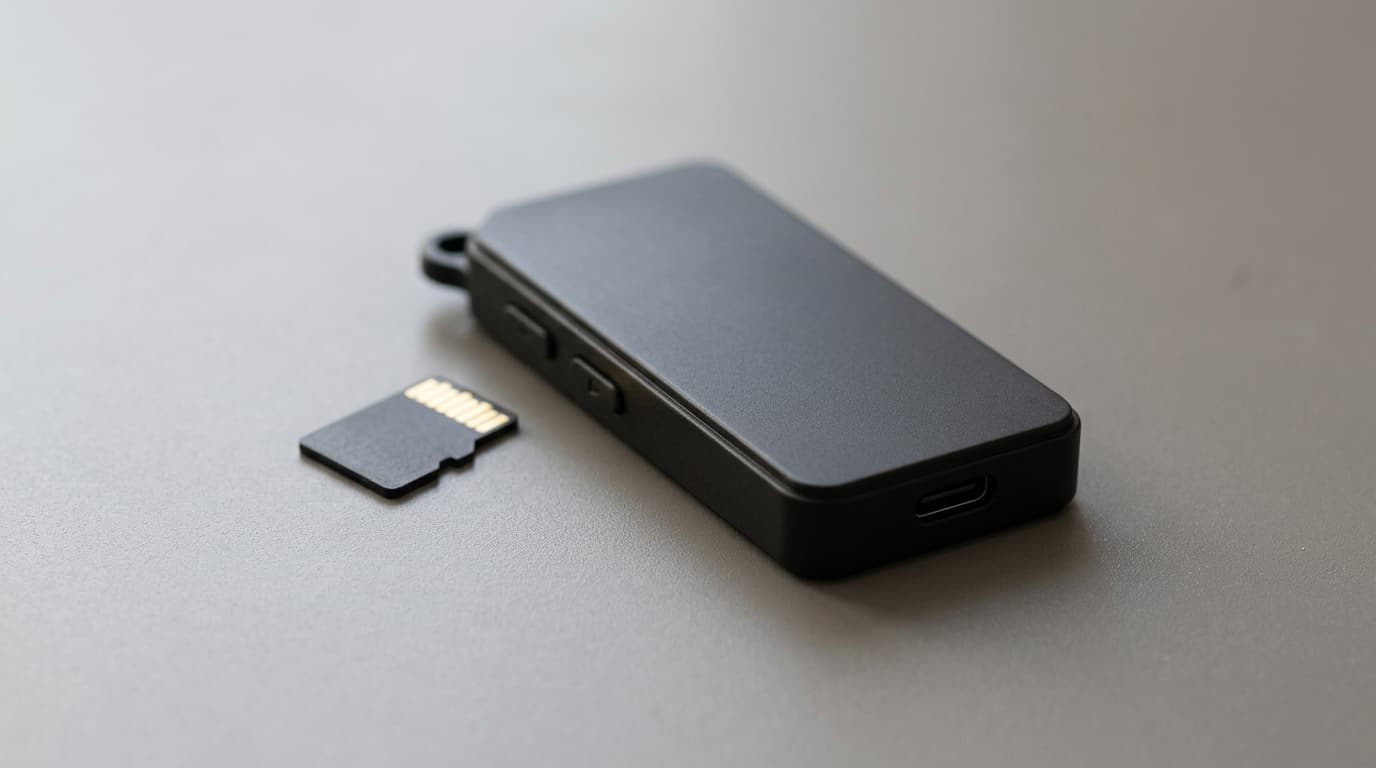
The microSD card backup is the detail that changes everything about the BitBox experience. Instead of scratching 24 words onto metal plates or paper while paranoid about shoulder surfers, users simply insert a microSD card during setup, and the backup happens automatically. It's the kind of design choice that reveals BitBox's philosophy: security shouldn't require suffering.
After examining 18 months of user reports, documentation, and third-party reviews of the BitBox02 and the newer BitBox02 Nova, a clear picture emerges. This is a hardware wallet built for people who want strong security without a steep learning curve, though that simplicity comes with tradeoffs that matter depending on how you use crypto.
The Setup Experience Users Actually Have
Based on documentation and user feedback, BitBox setup takes roughly 10 minutes from unboxing to receiving Bitcoin. The BitBox App walks users through each step, and that microSD backup means no frantic scribbling. Users report being able to restore their wallet on a new device just by inserting the card, which makes disaster recovery far less intimidating than the 24-word seed phrase ritual.
The device connects via USB-C to Windows, macOS, Linux, and Android. The BitBox02 Nova, released in 2025, added iPhone and iPad support through Bluetooth using a protocol BitBox calls "Whisper." For users concerned about wireless attack surfaces, Bluetooth can be permanently disabled.
The touch sensors along the device's edges handle navigation and confirmation. Users report this feels intuitive once learned, though the first few transactions involve some fumbling. The Nova's glass display is noted as a durability upgrade over the original BitBox02's screen.
Security Architecture Worth Understanding
BitBox uses a dual-chip design that separates security functions from general processing. The original BitBox02 uses an ATECC608B secure chip, while the Nova upgraded to an Optiga Trust M V3 certified secure chip. Both models are fully open source, meaning the firmware can be independently verified, a meaningful distinction from closed-source competitors.
The firmware underwent an audit by Census Labs, and BitBox maintains a bug bounty program. One gap worth noting: publicly available documentation doesn't confirm an independent audit specifically of the Nova firmware as of mid-2026, though the company's security practices appear consistent across the product line.
For Bitcoin maximalists, BitBox offers a Bitcoin-only edition with firmware limited exclusively to Bitcoin operations. The logic is sound: less code means fewer potential vulnerabilities. Users who only hold Bitcoin may find the reduced attack surface worth the asset limitation.
What Users Report About Daily Use
Trustpilot shows BitBox with a 4.8-star rating across roughly 2,000 reviews as of 2026, with users consistently praising the documentation and ease of use. The BitBox App supports coin control for privacy-conscious users and can connect to personal Bitcoin nodes, features that matter for users prioritizing transaction privacy.
Travel reports are generally positive. The device's compact form factor and USB-C connection mean it works with most modern laptops and Android phones without adapters. Nova owners traveling with iPhones appreciate the Bluetooth option, though some deliberately leave it disabled.
Multisig setup using BitBox devices is documented and reportedly functional, though it requires more technical confidence than single-signature use. Users setting up multisig for the first time report needing to reference documentation carefully.
The Asset Support Tradeoff
Here's where the honest assessment requires acknowledging limitations. The BitBox02 Multi edition natively supports Bitcoin, Litecoin, Ethereum, and selected tokens. Cardano works through AdaLite, and over 1,500 ERC-20 tokens are accessible via MyEtherWallet. But users wanting broad multi-chain support report needing third-party wallet integrations more often than with some competitors.
This positions BitBox as a Bitcoin-first device that happens to support some additional assets, rather than a universal multi-chain solution. For Bitcoin-focused users, this is arguably a feature, not a limitation. For users juggling assets across many blockchains, it's a genuine friction point.
Recent reviews from 2025-2026 consistently identify this as the primary criticism: users who prioritize maximum asset coverage may find competitors like Ledger more accommodating, while users who prioritize security and open-source verification may accept narrower asset support.
Pricing and Value Positioning
The original BitBox02 retails for approximately 109 euros directly from BitBox, while the Nova commands around 175 euros at official resellers. That premium buys iOS support, the upgraded secure chip, and the glass display. Whether that's worthwhile depends on whether you need iPhone compatibility.
Compared to Ledger's lineup, BitBox occupies a similar price tier but emphasizes different values: fully open-source firmware versus Ledger's partially closed approach, and a more focused asset selection versus broader native support. Neither is objectively superior; they reflect different priorities.
Who This Actually Suits
Based on available evidence, BitBox works best for Bitcoin-focused users who value straightforward security and open-source transparency. The microSD backup genuinely lowers the barrier to proper self-custody. The dual-chip architecture and audited firmware provide credible security without requiring users to understand cryptographic details.
Users running nodes or caring about transaction privacy will appreciate native Tor support and coin control. Users wanting multisig can build setups using multiple BitBox devices, though this requires more effort than single-signature use.
Users frequently trading across many blockchains may find the third-party wallet requirement for some assets annoying enough to look elsewhere. That's a legitimate consideration, not a flaw in BitBox's design philosophy.
The Bottom Line
BitBox built a hardware wallet that prioritizes doing fewer things well over doing everything adequately. The microSD backup system, open-source firmware, and Swiss-based company with a privacy focus create a coherent product for users who share those values.
The Nova's Bluetooth and iOS support expand accessibility while introducing the exact convenience-versus-attack-surface tradeoff that security-focused users will want to consider carefully. The permanent disable option for Bluetooth suggests BitBox understands their audience.
For Bitcoin self-custody, particularly for users intimidated by the traditional 24-word backup process, BitBox represents one of the more thoughtfully designed options available. The limitations are real but clearly intentional, reflecting a product philosophy rather than corner-cutting. Whether that philosophy matches your needs is the question worth answering before purchasing.