
How to Find Bitcoin Merchants While Traveling Using BTC Map
Learn how to use BTC Map to find Bitcoin-accepting merchants worldwide, contribute new listings, and plan sats-spending routes while traveling.
Over 20,000 merchants worldwide now accept Bitcoin, and finding them used to require local knowledge, Reddit threads, or plain luck. That changed with BTC Map, a free, open-source platform that has quietly become the go-to tool for travelers who want to spend sats instead of just holding them.
Whether you're planning a trip to a Bitcoin-friendly city or stumbling into a new neighborhood hoping to find coffee you can pay for with Lightning, here's how to actually use BTC Map effectively.
Getting Started with BTC Map
BTC Map works through both a web interface at btcmap.org and native apps for Android and iOS. The Android app received a major update in November 2025 with Material 3 design, multiple map styles, and local events display. The web version has also improved significantly, with load times now measured in seconds rather than the longer waits of earlier versions.
The underlying data comes from OpenStreetMap, the same community-driven mapping project that powers countless navigation tools. This means BTC Map benefits from a massive contributor base while maintaining full open-source transparency.
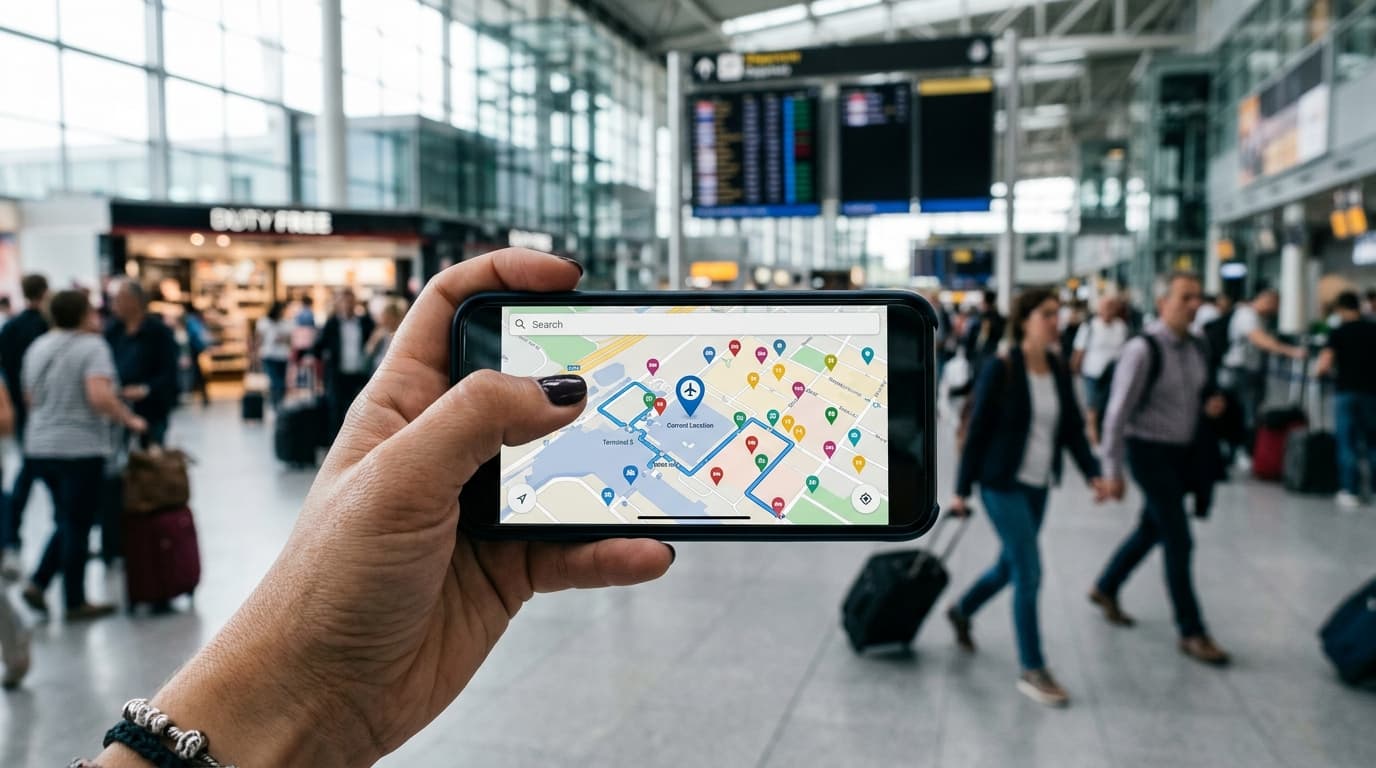
To find merchants, you have a few options. You can enter a specific location in the search bar, zoom and pan on the interactive map, or browse by category. Pins appear for shops, restaurants, services, and other businesses that accept Bitcoin, whether on-chain or via Lightning Network.
Search Filters and Features That Actually Matter
The search functionality goes beyond simple location lookup. You can filter by proximity, city, category, or business name. Looking specifically for restaurants in Lisbon that take Bitcoin? You can narrow it down. Want to see every Bitcoin-accepting business within walking distance? The map view handles that.
For travelers, the June 2025 integration with Organic Maps deserves attention. This enables offline use and route planning, which matters when you're in an area with spotty data coverage or international roaming costs. Download the region you're visiting beforehand, and you can still navigate to Bitcoin merchants without burning through mobile data.
The nearby panel on the web version surfaces businesses close to your current location, which proves useful when you're actively exploring rather than pre-planning.
Understanding the Verification System
Not all listings are equally reliable. BTC Map distinguishes between recently verified merchants (confirmed within the past year) and older listings that may be outdated. As of November 2025, 11,371 of the 20,443 total merchants had been verified within the previous twelve months.
This matters because businesses change. A cafe that accepted Bitcoin in 2023 might have new ownership that doesn't. The verification system helps you prioritize merchants that someone has actually confirmed recently.
When viewing a listing, check when it was last verified. If the timestamp is old, approach with appropriate skepticism, maybe have a backup payment method ready.
How Square Changed the US Landscape
The November 2025 Square integration marked a significant shift for BTC Map's US coverage. Square rolled out Bitcoin payments to its 4 million merchant network, and those who opted in could automatically appear on BTC Map and Cash App. That single month saw 1,676 new US additions.
This matters for travelers because it dramatically increased the density of options in American cities. Where you might have found a handful of Bitcoin-accepting businesses before, you now have dozens. The US led BTC Map edits in late 2025 largely because of this integration.
That said, auto-listing means some of these merchants may be less enthusiastic about Bitcoin than those who sought out listing on their own. Your experience may vary.
Contributing to BTC Map
BTC Map runs on community contributions, and adding or verifying merchants requires no technical expertise. If you visit a business and pay with Bitcoin, you can verify it exists and still accepts crypto through a simple web form on btcmap.org.
Adding new merchants works similarly. Found a taco stand that takes Lightning? You can add it directly through BTC Map's interface or via OpenStreetMap edits if you prefer that workflow. The community typically verifies new additions quickly.
For those deeper into the ecosystem, BTC Map offers Discord and Matrix channels for coordination. Local Bitcoin communities (613 worldwide as of November 2025) use these tools to organize merchant onboarding campaigns and track regional adoption progress.
Some contributors earn sats tips from grateful users, though this isn't a primary motivation for most. The real incentive is building out the map for everyone's benefit.
Planning a Sats-Spending Route
Some Bitcoiners treat BTC Map as a travel planning tool, designing itineraries around Bitcoin-friendly destinations. This "Bitcoin tourism" approach means choosing cities with high merchant density, then building days around cafes, restaurants, and shops where you can spend sats.
BTC Map's dashboard tracks live statistics, so you can compare regions before committing to travel plans. Some cities have genuine circular economy ecosystems; others have scattered, isolated merchants.
The community feature helps here too. Active local communities often correlate with better merchant verification and denser listings. A city with an engaged Bitcoin meetup group will likely offer a better sats-spending experience than one where listings haven't been touched in years.
Limitations Worth Acknowledging
BTC Map depends entirely on community contributions, which creates inherent unevenness. Some regions are meticulously maintained; others are neglected. A listing's presence doesn't guarantee a smooth payment experience, the merchant might have technical issues, staff unfamiliar with Bitcoin, or outdated payment infrastructure.
The platform also can't capture every nuance. A listing might show a business accepts Bitcoin without specifying whether they prefer on-chain or Lightning, what wallet they use, or whether they'll actually know how to process your payment when you show up.
Alternatives exist but are limited. Coinmap.org, once a separate option, now redirects to BTC Map. For most travelers, BTC Map is effectively the only comprehensive global option.
Making It Work
The practical approach is to use BTC Map as a starting point rather than gospel. Check verification dates. Have a backup payment method. Be patient with merchants who rarely process Bitcoin transactions.
For those committed to living on a Bitcoin standard or simply curious about real-world adoption, BTC Map provides something genuinely useful: a way to translate Bitcoin holdings into actual goods and services while traveling. The platform continues growing as both grassroots communities and major players like Square add to its database.
Whether that density reaches the point where you can reliably spend Bitcoin anywhere remains an open question. But for now, BTC Map represents the best tool available for answering a simple question: where can I actually spend my sats?