
Casa Multi-Signature Review After 6 Years of Bitcoin Custody
An honest assessment of Casa's evolution from simple 2-of-3 setups to enterprise-grade inheritance planning after six years of operation.
In January 2025, a pseudonymous Casa client discovered their Ledger hardware wallet screen had failed, leaving 100 BTC potentially inaccessible. Casa's advisory team shipped a replacement device and guided the recovery remotely. The bitcoin was saved.
This incident captures what Casa has become after six years: not just a multisig platform, but a custody safety net for people holding meaningful amounts of bitcoin who want expert backup when things go wrong.
Founded in 2018, Casa has evolved from a technically ambitious startup into the dominant retail multisig solution, now expanding into institutional territory. The question for prospective users isn't whether Casa works; it's whether the subscription cost and tradeoffs align with their specific situation.
What Casa Actually Offers
Casa provides two primary multisig configurations: 2-of-3 keys and 3-of-5 keys. The Standard tier runs $250 per year and covers most individual holders. Premium at $2,100 per year adds inheritance planning, priority support, and features designed for families and high-net-worth users.
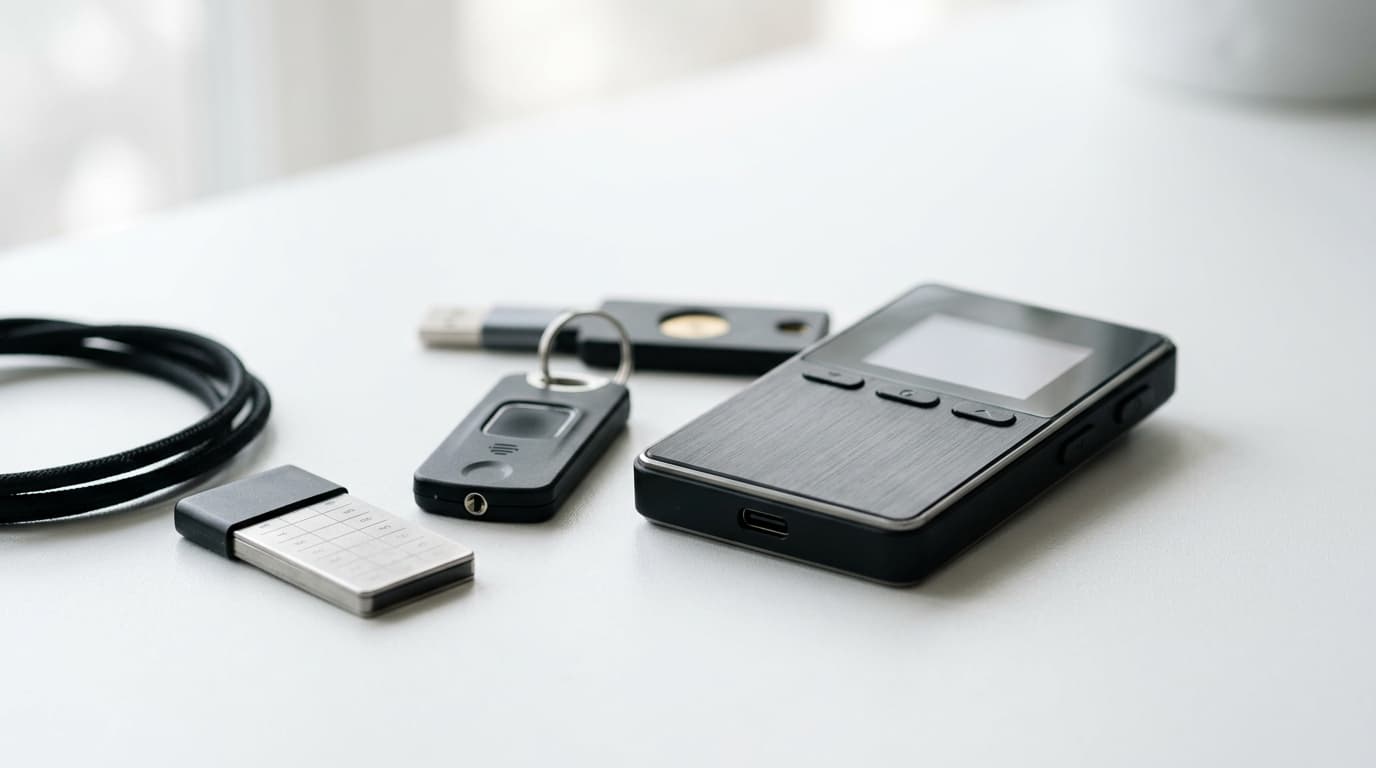
The architecture distributes keys across your mobile device, hardware wallet, and Casa's servers (with the third acting as a recovery backup you control). This means no single point of failure, whether that's a lost phone, a dead hardware wallet, or a house fire.
What separates Casa from DIY multisig solutions like Sparrow or Specter isn't the cryptography; it's the guided experience. Users report that Casa's mobile app and video tutorials make the setup approachable for people who would otherwise never attempt multi-signature security on their own.
The Threat Landscape Has Changed
Casa's evolution makes more sense when you understand what's happening to bitcoin holders in 2025 and 2026.
Physical attacks on bitcoiners reached alarming levels in 2025. Jameson Lopp's database documented approximately 65-70 incidents, while Glok.me reported 292 "wrench attacks," including at least four fatalities. France alone saw at least 10 reported attacks, many linked to tax reporting that exposed holders' addresses and identities.
This isn't theoretical risk anymore. Casa has responded with emergency lockdown features, video verification requirements, and pre-arranged duress procedures for high-risk users. The advisory team, which completes a six-month training program including emergency response protocols, can recognize distress signals and initiate protective measures.
These features matter because the attack surface for bitcoin holders has expanded beyond digital threats. A hardware wallet alone doesn't help when someone is at your door.
Institutional Expansion
In a January 2026 interview, Casa CEO Nick Neuman revealed a significant shift: "Increasingly over the last year, Casa is helping large institutions that need to have provable security and provable control to secure their assets."
This expansion follows regulatory changes that reshaped custody markets. In January 2025, the SEC rescinded SAB 121 (via SAB 122), removing capital penalties that had made crypto custody impractical for banks. Major institutions including BNY Mellon, State Street, Citi, and JPMorgan are now developing independent custody platforms.
Casa's positioning here is interesting: rather than competing directly with bank custody, they're serving institutions that want provable self-custody, particularly those facing regulators who require demonstrated control over holdings rather than trust in third parties.
The company signaled this growth trajectory in May 2026 by hiring a global revenue head, Benjamin Ampen, to expand international operations.
What Works Well
Accessibility of advanced security. Casa's core achievement is making 2-of-3 and 3-of-5 multisig usable for non-technical people. Based on user reports and documentation, the mobile-first approach removes much of the friction that makes DIY multisig intimidating.
Inheritance planning. Most wallet solutions ignore what happens when you die. Casa's Premium tier includes structured workflows for passing bitcoin to heirs without exposing keys prematurely. For families with significant holdings, this addresses a real problem that few alternatives handle seriously.
Human support. The advisory team isn't just answering tickets. They're trained in emergency response and client education, capable of guiding users through complex recovery scenarios. The 100 BTC rescue story isn't marketing; it's the kind of situation Casa is specifically structured to handle.
Geopolitical hedging. According to Neuman, Casa clients increasingly use multisig as protection against government overreach, regardless of political affiliation. Users report treating geographic key distribution as insurance against jurisdictional risk.
What Still Needs Improvement
Cost barrier. At $250 to $2,100 per year, Casa makes sense for holdings of roughly $10,000 and above. For smaller amounts, the subscription cost relative to holdings becomes harder to justify, even if the security is objectively better.
Vendor dependence. While Casa has selectively open-sourced some components (including recent YubiKey integration), the core platform remains proprietary. Users must trust Casa's operational continuity. The company operates with a lean team of approximately 35 people, which is efficient but raises questions about institutional resilience.
Overkill for simple situations. A single-signature hardware wallet with proper seed phrase backup remains adequate for many users. Casa's multisig architecture adds complexity that not everyone needs, particularly those with smaller holdings or straightforward inheritance situations.
Who Should Consider Casa
Casa fits best for individual holders with roughly $10,000 to several hundred thousand dollars who want stronger protection than a single hardware wallet but lack the technical confidence to configure multisig independently. The guided experience and human support justify the cost for this segment.
High-net-worth individuals and families benefit most from Premium and Private Client tiers, where inheritance planning and shared account structures address estate complexity that most wallet solutions ignore.
Corporate treasuries and institutions now have options through Casa's Praetorian offering, designed for multi-party governance with role-based controls that handle personnel changes and audit requirements.
The Honest Assessment
After six years, Casa has earned its position as the leading retail multisig platform by solving real problems: physical security threats, inheritance planning, and the intimidation factor that keeps most people from implementing proper key management.
The company isn't perfect. The subscription model creates ongoing costs that some users will resent. The proprietary nature means trusting Casa's longevity. And for technically sophisticated users, DIY solutions remain more flexible and free.
But for the core audience, people holding meaningful bitcoin who want expert backup without becoming security experts themselves, Casa delivers something genuinely valuable: peace of mind backed by competent humans who answer when things go wrong.
In a market where physical attacks are rising and inheritance planning remains widely neglected, that's a proposition worth considering seriously.