
How to Find Bitcoin-Accepting Businesses While Traveling with BTC Map
Learn how to use BTC Map to find Bitcoin-accepting merchants worldwide, from search filters to verification features for spending sats on the go.
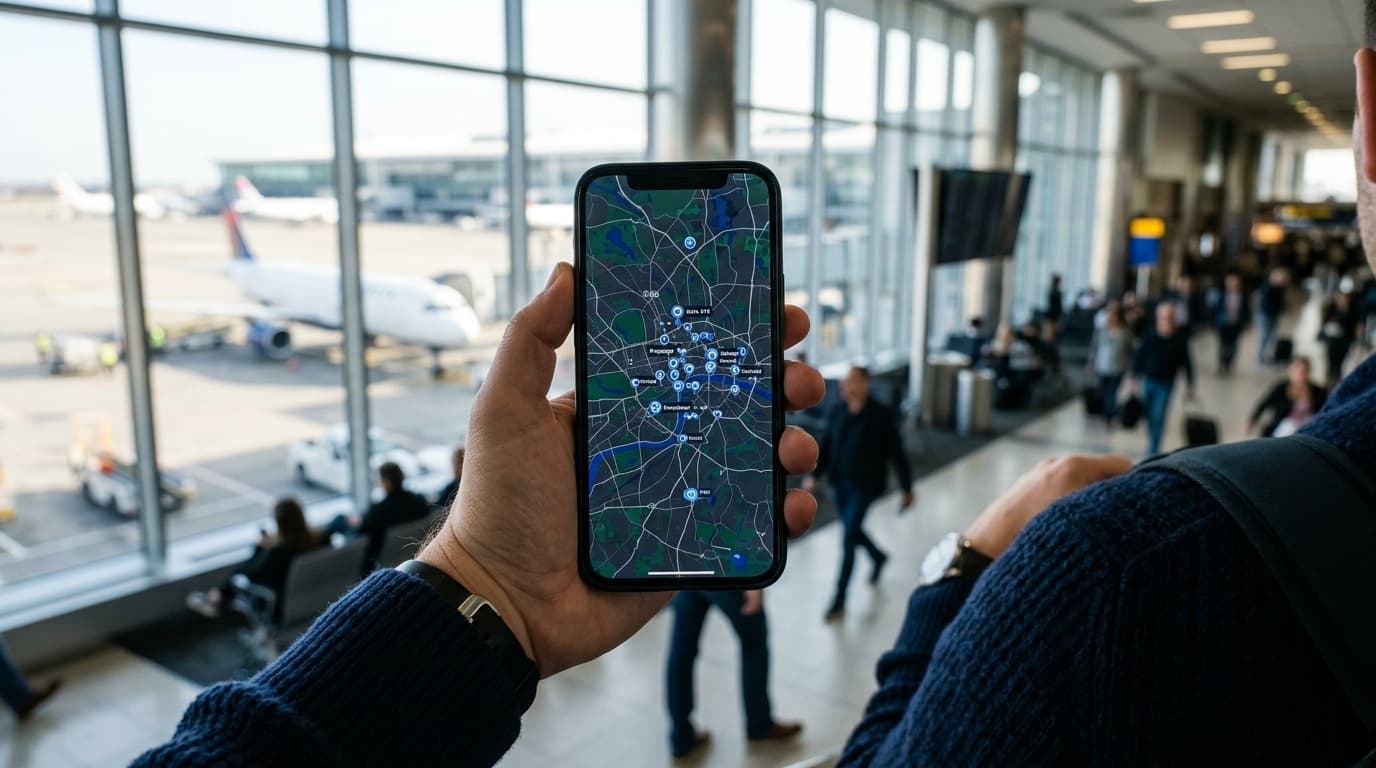
You're standing in an unfamiliar city, hungry after a long flight, wondering if any nearby cafe will accept your sats. This used to require guesswork and awkward conversations. Now it takes about three seconds.
BTC Map has become the go-to tool for travelers who want to spend Bitcoin in the real world. Built on OpenStreetMap, this free, open-source platform displays thousands of tagged locations worldwide, from coffee shops in Prague to surf instructors in El Salvador. Here's how to actually use it.
Getting Started with BTC Map
You have three ways to access the map: the web interface at btcmap.org/map, dedicated Android and iOS apps, or integration with privacy-focused navigation apps like Organic Maps for offline use. That last option matters when you're traveling internationally without reliable data.
The basic workflow is simple. Enable location services, zoom to wherever you're headed, and look for the orange Bitcoin markers. Each pin represents a business that someone in the community has tagged as accepting Bitcoin, often via Lightning Network for instant, low-fee transactions.
But here's where most travelers stop, and it's a mistake. The real utility comes from understanding verification dates and filters.
Understanding the Verification System
BTC Map relies on community verification, which is both its strength and its limitation. When you tap on a business listing, you'll see a "last verified" date. A cafe confirmed last week is probably still accepting Bitcoin. One last verified in 2023 might have changed ownership or policy.
This community-driven approach means coverage varies significantly by region. Bitcoin-friendly cities like Amsterdam or Austin tend to have more active contributors keeping listings current. Remote areas may have outdated information or missing merchants entirely.
Before visiting anywhere based on a BTC Map listing, check that verification date. If it's more than six months old, consider calling ahead. Nothing ruins a meal faster than discovering the restaurant stopped accepting Bitcoin after you've already ordered.
Using Search Filters Effectively
The map's filtering options help narrow down exactly what you need. You can filter by:
- Payment type: Some merchants accept on-chain transactions only, others prefer Lightning for speed. Knowing this before you arrive saves awkward wallet-switching at the counter.
- Business category: Restaurants, accommodation, retail, services. When you need a place to sleep, you don't want to scroll past every taco stand.
- Verification status: Prioritize recently confirmed locations over older listings.
For trip planning, zoom out to your destination city before you leave home. Identify clusters of Bitcoin-accepting businesses near your hotel or planned activities. This prevents the classic mistake of wandering into a Bitcoin-friendly neighborhood when you're nowhere near one.
Contributing Back to the Community
BTC Map works because users keep it updated. If you visit a business and successfully pay with Bitcoin, take thirty seconds to verify the listing. If you discover a new merchant, add it.
The contribution process doesn't require technical skills. You're essentially confirming that yes, this place exists and yes, they took your Lightning payment. Some active contributors even earn sats tips from grateful users.
This matters more than it might seem. Local Bitcoin communities and meetup organizers use BTC Map to showcase their region's adoption progress and coordinate merchant onboarding. Your verification helps the next traveler and strengthens the local circular economy.
Alternatives and Complements to BTC Map
BTC Map excels at hyper-local discovery for physical merchants, but it's not the only resource worth knowing.
Square and Cash App rolled out a Bitcoin Map feature in late 2025, allowing Square merchants who accept BTC via Lightning to opt into visibility for Cash App's reported 58 million users. If you're already a Cash App user, this integration surfaces nearby options without switching apps. Square has even run promotions offering Bitcoin back on qualifying purchases.
Cryptwerk maintains a directory of over 9,000 Bitcoin-accepting companies with its own map feature. BitPay's directory lists 250+ brands where you can purchase gift cards with Bitcoin, useful when direct merchant acceptance isn't available. For travel-specific spending like flights and hotels, services like Travala accept Bitcoin payments directly.
The practical approach: use BTC Map as your primary tool for on-the-ground spending, and keep these alternatives in mind for situations where direct merchant acceptance falls short.
The Honest Trade-offs
BTC Map's community-driven model means accuracy depends on local engagement. In Bitcoin-adoption hotspots, listings stay current and dense. In areas without active contributor communities, you may find sparse or outdated information.
Merchants also come and go. A restaurant might accept Bitcoin enthusiastically during a bull market and quietly remove the option during slower periods. The verification system helps, but it's not perfect.
For travelers committed to spending Bitcoin, the realistic strategy combines BTC Map discovery with fallback options. Keep some fiat available for situations where Bitcoin acceptance doesn't materialize. Use Lightning-enabled wallets for faster transactions. And when you do find merchants who accept sats, verify the listing and spread the word.
Making BTC Map Work for Your Trip
The travelers who get the most from BTC Map do pre-trip research rather than scrambling on arrival. Before departure, identify Bitcoin-friendly neighborhoods in your destination. Note which businesses are recently verified. Plan at least a few meals or activities around those clusters.
Once you're on the ground, the Organic Maps integration lets you navigate to Bitcoin merchants even without cell service, useful in areas with spotty coverage or expensive roaming.
And when you successfully spend sats somewhere new, update the map. You're not just logging a transaction; you're contributing to a tool that makes Bitcoin more practical for the next person who lands in that city with the same question you had.