
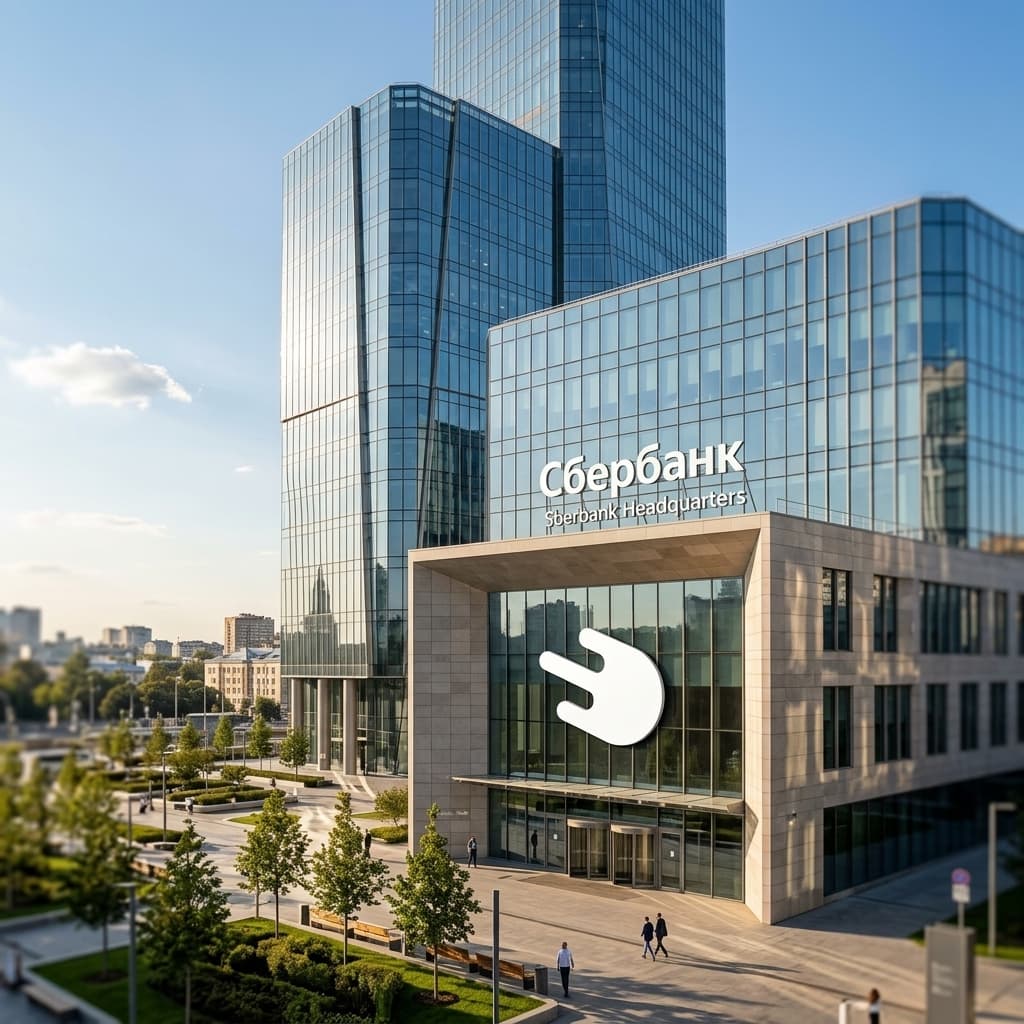
Sberbank's Crypto Entry Opens Questions About Lightning Payment Corridors
Russia's largest bank prepares crypto trading for 110M customers. Could institutional adoption indirectly boost Lightning payment networks?
Russia's largest bank, Sberbank, is preparing to offer cryptocurrency trading and custody services to its 110 million customers once regulations finalize by July 1, 2026. The announcement has sparked speculation about what institutional crypto adoption in a major economy might mean for payment infrastructure, including Lightning Network applications.
The reality is more nuanced than headlines suggest. While Sberbank's entry represents a significant milestone, the connection to Lightning payments remains indirect at best.
What Sberbank Actually Plans to Offer
Sberbank announced in April 2026 its readiness to launch crypto trading and custody services pending regulatory approval. This builds on the bank's 2025 activities, which included issuing 408 billion rubles in digital financial assets and piloting a Bitcoin-backed loan to mining company Intelion Data using its Rutoken custody platform.
The bank plans to expand crypto-backed lending to more corporate clients following the pilot's success. It also launched Bitcoin-linked structured bonds for qualified investors through the Moscow Exchange in June 2025.
The Bank of Russia's December 2025 regulatory framework allows both qualified and non-qualified investors to purchase cryptocurrency. Non-qualified investors face a 300,000 ruble annual limit (approximately $3,900 to $4,000) after passing a competency test.
Here's the critical limitation: domestic crypto payments remain banned. The framework classifies cryptocurrency as high-risk property suitable for investment, not as legal tender for everyday transactions.
The Lightning Connection Is Speculative
There's no direct evidence linking Sberbank's crypto entry to Lightning Network adoption. The bank's focus centers on trading, custody, and lending, not payments infrastructure.
However, the indirect argument goes something like this: Russia's crypto liberalization appears partly motivated by the need to facilitate international trade under sanctions pressure. If institutional players increasingly use Bitcoin for cross-border settlement, efficient payment rails like Lightning become more attractive.
This reasoning has some merit. When large institutions bring millions of users into the crypto ecosystem, downstream demand for fast, low-cost payment solutions tends to follow. Apps like Strike that enable Lightning-fast international transfers could benefit if new corridors open between Russia and countries where Bitcoin rails make sense.
But significant obstacles remain. Russia's State Duma passed its crypto bill in first reading in April 2026, enabling licensed exchanges for assets like Bitcoin and Ethereum while prohibiting unlicensed peer-to-peer trading after 2027. This supervised approach prioritizes control over the permissionless ethos that makes Lightning attractive.
What This Means for Lightning Payments
The more honest assessment is that Sberbank's crypto services will primarily serve investment demand rather than payment use cases. Russians who want to buy and hold Bitcoin through their existing bank relationship will have a new option. This is meaningful for adoption but doesn't directly translate to Lightning payment volume.
Where Lightning could see indirect benefits is in remittance flows. If Russian citizens hold Bitcoin through Sberbank and later want to send value internationally, they might seek out services that can move funds quickly and cheaply. Strike's remittance capabilities to countries like Mexico, the Philippines, and Kenya demonstrate how Lightning infrastructure can serve this need, though Russia isn't currently among Strike's supported corridors.
The broader pattern worth watching is institutional legitimization. When the largest bank in a major economy offers crypto services, it normalizes digital assets for millions of people who might otherwise never engage with the technology. Some percentage of those users will eventually explore what else Bitcoin can do beyond sitting in a custody account.
The Counterargument
Skeptics should note that Russia's approach specifically carves out payments from its crypto framework. The regulatory intent appears aimed at capturing investment flows and enabling sanctions workarounds for international trade, not building alternative payment infrastructure.
Lightning's strengths, including instant settlement, low fees, and permissionless access, may actually conflict with Russia's preference for supervised, traceable transactions. A controlled crypto environment doesn't necessarily benefit open payment networks.
Looking Forward
Sberbank's crypto entry matters as a signal of institutional acceptance in a major economy. For Lightning payment applications, the relevance depends on whether investment adoption eventually creates demand for spending and transfer use cases.
The July 2026 regulatory deadline will clarify what's actually possible under Russia's framework. Until then, the connection between Russia's largest bank offering crypto trading and Lightning payment apps gaining traction remains theoretical rather than demonstrated.
What's clear is that 110 million potential new crypto users represent a significant market. How they eventually choose to use their Bitcoin, whether for holding, trading, or actually paying for things, will determine whether this moment matters for payment infrastructure at all.