
Zaprite Review 2026, Non-Custodial Bitcoin Invoicing That Actually Works
Zaprite review covering features, pricing, and real-world use cases for non-custodial Bitcoin invoicing. See how it compares to BTCPay and other options.
Most Bitcoin payment processors ask you to trust them with your money. Zaprite takes a different approach: payments settle directly to your own wallet, whether that's a hardware device, multi-sig setup, or Lightning node. No intermediary custody, no withdrawal requests, no wondering if your funds are actually yours.
For businesses tired of the custody trade-offs that come with traditional payment processors, this matters. But does the non-custodial model actually work in practice? Based on available documentation, user feedback, and competitive analysis, here's what you need to know.
What Zaprite Actually Does
Zaprite positions itself as a serverless, wallet-agnostic payment platform. The core idea is straightforward: you connect your existing Bitcoin wallet (or wallets), and Zaprite handles the invoicing, checkout pages, and payment tracking while funds flow directly to you.
The platform supports on-chain Bitcoin, Lightning Network payments, Liquid Network, and Tether. You can also integrate fiat payments through Stripe and Square, creating a unified checkout experience for customers who may or may not be ready to pay in bitcoin.
Key features include:
- Professional invoicing with task management, email notifications, and clean branding
- Customizable hosted checkouts for one-time payments or recurring billing
- Payment links for goods, services, and event tickets
- Virtual POS for in-person sales
- WooCommerce integration for existing online stores
- API and webhooks for custom workflows
The wallet flexibility deserves emphasis. Zaprite works with single-sig wallets, multi-sig configurations, hardware wallets, and Lightning nodes. This wallet-agnostic approach means you're not locked into a specific setup or forced to compromise your existing security practices.
Pricing Structure
Zaprite charges $25 per month (or $240 annually for a 20% discount). On top of the subscription, transaction fees run 1% on Bitcoin, Lightning, Liquid, and Tether payments, capped at $15 USD per transaction. Event tickets carry a 1% plus $3 fee.
Here's the nuance that matters: Zaprite includes a $25 monthly transaction fee credit ($300 annually), which effectively offsets the subscription cost for businesses processing modest volumes. If you're doing less than $2,500 in monthly bitcoin payments, the transaction fee credit covers the subscription.
Compared to BTCPay Server, which is free and open-source, Zaprite costs real money. But BTCPay requires you to run your own server, handle updates, and manage infrastructure. For freelancers, consultants, and small businesses without technical staff, that trade-off often isn't worth the savings.
The Non-Custodial Question
Some competitors, notably Flash, have criticized Zaprite as "semi-custodial" or requiring manual intervention. This critique deserves examination.
Zaprite's model generates fresh addresses from your wallet's xpub (extended public key) for each invoice. Payments go directly to addresses you control. Zaprite never holds funds. However, the platform does maintain awareness of your payment addresses to track invoice status, which creates a different trust model than a fully self-hosted solution.
The practical difference: with BTCPay Server, you run everything yourself. With Zaprite, you trust their infrastructure to correctly generate addresses and report payment status while funds flow directly to you. With traditional processors like OpenNode, you trust them with actual custody of your bitcoin.
For most businesses, Zaprite's approach hits a reasonable middle ground. You maintain custody and can verify addresses against your own wallet. You give up some privacy (Zaprite can see your payment history) in exchange for not managing servers.
User Reception and Active Development
Zaprite holds a 4-star rating on Trustpilot based on 12 reviews as of March 2026. Users consistently praise the security model and ease of creating professional bitcoin invoices. The sample size is small, but feedback patterns suggest the platform delivers on its core promises.
More encouraging is the development pace. Release notes from March 2026 added a public API for event tickets with filters and pagination. Updates continued in April and May 2026. Active development matters for payment infrastructure; you don't want to build your business on abandoned software.
Who Should Consider Zaprite
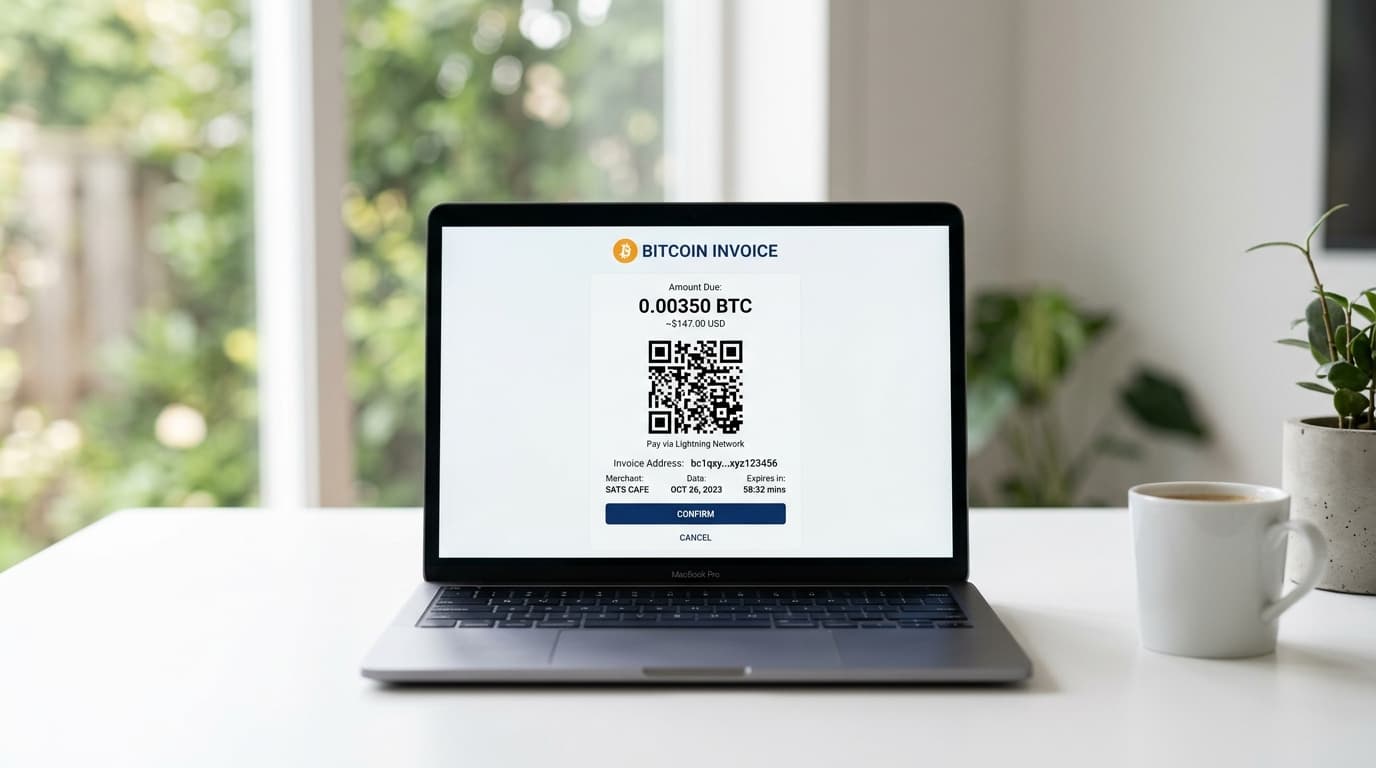
Freelancers and consultants represent the clearest use case. If you invoice clients regularly and want to accept bitcoin without explaining wallet addresses or payment protocols, Zaprite's professional invoice system handles the complexity. Clients see a clean checkout page, scan a QR code, and you receive bitcoin directly.
Small businesses benefit from the virtual POS and WooCommerce integration. The ability to accept both bitcoin and fiat through unified checkouts reduces friction for customers at different stages of bitcoin adoption.
Event organizers can use the ticketing tools for conferences, meetups, and gatherings. The check-in functionality turns bitcoin payments into a practical option rather than an awkward workaround.
Bitcoin miners and operations handling larger transactions appreciate the non-custodial model. When you're receiving significant sums, processor counterparty risk becomes a real concern. Zaprite eliminates that risk while providing the accounting and workflow benefits of a payment platform.
Zaprite vs BTCPay Server
The comparison everyone wants: should you pay for Zaprite or run free BTCPay Server?
BTCPay Server offers complete control, zero platform fees, and maximum privacy. If you have technical staff, run other servers, and want to customize everything, BTCPay remains the gold standard for self-sovereign bitcoin payments.
Zaprite makes sense when you value your time more than the subscription cost, lack technical resources for server management, or need polished client-facing features without development work. The professional invoicing, event tickets, and fiat integration work out of the box.
Neither choice is wrong. They serve different needs and different resource profiles.
Limitations Worth Noting
Zaprite isn't perfect for every situation. The monthly subscription adds friction for businesses with sporadic bitcoin income. If you invoice one client per quarter in bitcoin, $25/month becomes expensive per transaction.
The privacy trade-off matters for some users. Zaprite's infrastructure sees your payment addresses and transaction history. For businesses where that visibility creates concerns, BTCPay Server's self-hosted model offers better privacy guarantees.
Competitors like Flash emphasize instant setup and zero fees, positioning themselves as simpler alternatives. Whether that simplicity comes with trade-offs in features or reliability requires individual evaluation.
The Bottom Line
Zaprite solves a real problem: accepting bitcoin payments professionally without custody risks or server management. The non-custodial model, wallet flexibility, and active development create a legitimate option for businesses ready to integrate bitcoin into their payment stack.
The $25 monthly cost is reasonable for businesses with regular bitcoin transactions, especially given the transaction fee credit. For occasional bitcoin invoicing, the economics work less well.
If you're a freelancer, consultant, or small business owner who wants to invoice in bitcoin without becoming a sysadmin, Zaprite delivers a polished solution. If you want maximum control and have technical resources, BTCPay Server remains the standard. If you need the absolute simplest setup possible, newer competitors warrant evaluation.
The good news: non-custodial bitcoin payments have matured enough that you have real choices. Zaprite represents one thoughtful approach to that challenge.