
Proto Mining Hardware Review After 6 Months on the Market
Block's Proto Rig brings modular design and tool-free repairs to Bitcoin mining. Here's what we know after six months of real-world deployments.
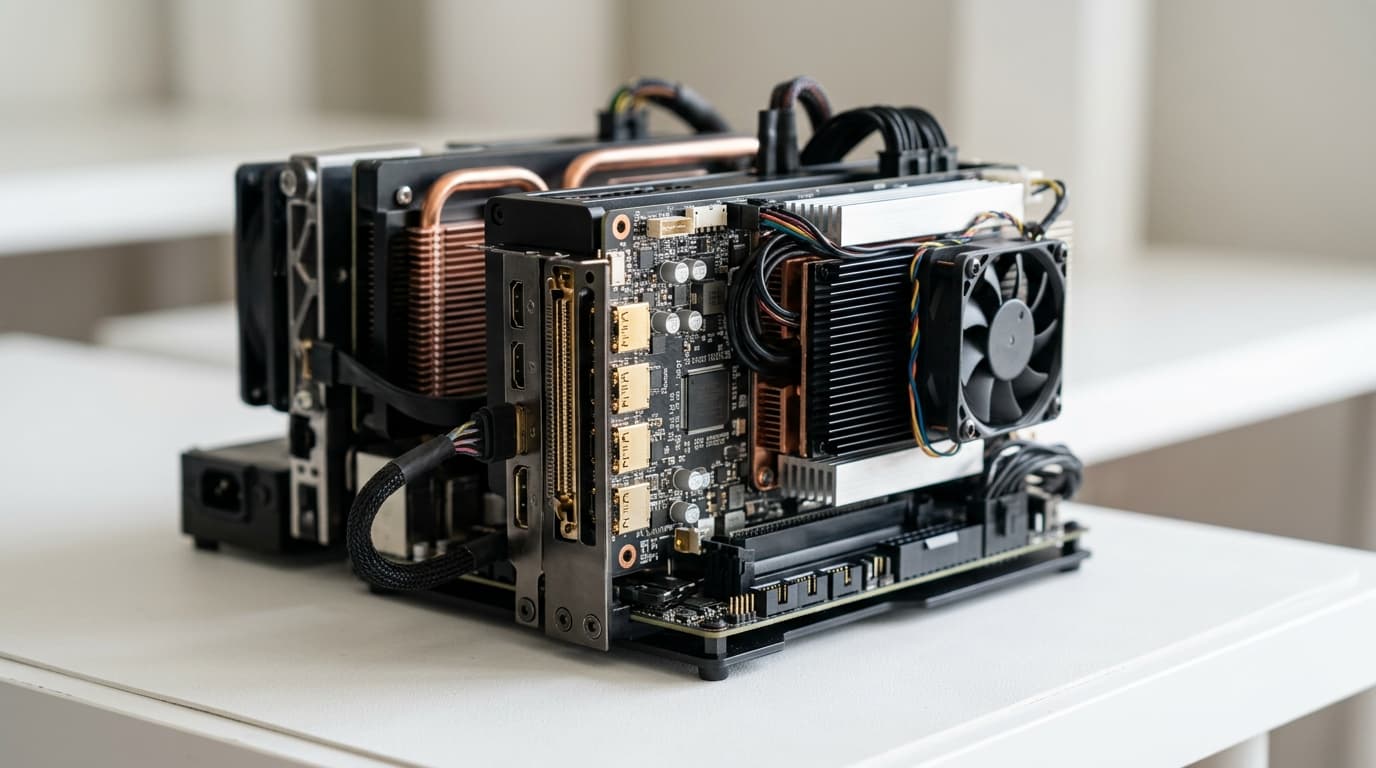
When Block launched its Proto Rig in August 2025, the promise was audacious: mining hardware designed to last a decade instead of the industry-standard three to five years, with tool-free repairs completed in under 90 seconds. Six months later, the hardware is shipping in volume and running at facilities like Core Scientific. But does the modular approach actually deliver on its promises?
The honest answer is that comprehensive long-term reliability data remains limited. What we can evaluate are the design decisions, the published specifications, early operator reports, and whether Proto's approach makes sense for different types of mining operations.
The Specs on Paper
Proto Rig delivers 819 TH/s at 12,000W power consumption, translating to 14.1-14.65 J/TH efficiency. Those numbers put it in competitive territory with current-generation Bitmain hardware, though not dramatically ahead on raw efficiency.
What does stand out is density. Proto claims 1.5x higher power density per rack foot (9.4 kW/ft) compared to legacy miners. For operators constrained by facility space rather than power availability, this math matters. The same rack footprint accommodating more hashrate means better capital efficiency on real estate, a cost that compounds over years of operation.
The hardware supports both air and immersion cooling, giving operators flexibility to deploy in existing air-cooled facilities or optimize for immersion setups where the economics make sense.
Modularity as Maintenance Strategy
The nine-hashboard modular design represents Proto's most distinctive engineering choice. Traditional ASIC miners treat the machine as essentially disposable; when components fail, you're often looking at shipping the entire unit for repair or scrapping it entirely.
Proto's approach flips this. Individual hashboards can be swapped without tools in under 90 seconds, according to the company's claims. This means a technician walking the floor can perform repairs rack-side rather than pulling equipment, boxing it, and waiting weeks for warranty service.
The math on reduced downtime is straightforward. Every hour a miner sits idle costs money, both in foregone revenue and in wasted facility overhead. If modular repairs genuinely cut maintenance windows by the 15-20% per cycle that some industry analysts project, the operational savings compound significantly over a multi-year deployment.
That said, these projected savings remain largely theoretical for Proto specifically. The hardware has been shipping for only six months, and no detailed third-party studies on uptime statistics or failure rates have been published as of April 2026.
Proto Fleet Changes the Software Game
Hardware gets the attention, but Proto Fleet, the company's open-source fleet management software, may deliver more practical value for many operators.
The mining industry has long suffered from fragmented monitoring solutions. Operators running multiple hardware generations from different manufacturers often cobble together various tools, spreadsheets, and manual processes to track their fleet. Proto Fleet offers unified diagnostics and maintenance tracking across deployments.
The software is free and open-source, which matters for operators wary of vendor lock-in or recurring software licensing costs. It supports on-premises, cloud, or hybrid deployment depending on an operator's security requirements and operational preferences.
For smaller operations, this might seem like overkill. For facilities running hundreds or thousands of units, centralized management with real diagnostics eliminates significant operational friction.
Who Benefits Most
Mining operators frustrated with fragile hardware and vendor lock-in will find Proto's approach worth serious consideration. The tool-free repair design and modular architecture mean rack-side fixes take seconds instead of hours, maximizing uptime for operations where every minute of downtime costs money.
Operators running dense deployments benefit most from the power density improvement, fitting more hashrate into existing facilities without infrastructure overhauls. If your constraint is facility space rather than power contracts, this arithmetic changes the economics.
Hardware builders, developers, and innovators exploring heat reuse, off-grid mining, or custom deployments can access standalone ASIC chips, evaluation kits, and APIs. Block is actively selling chips to other manufacturers, enabling experimentation with firmware customization for energy innovations and unconventional setups that legacy hardware doesn't support.
The Counterarguments
Proto is not without legitimate concerns.
The 12,000W power draw per unit is substantial. This hardware targets industrial-scale operations with appropriate electrical infrastructure, not hobbyists or small home miners. At $0.04/kWh hosting rates, the economics work; at typical residential electricity prices in most markets, they don't.
Brand reliability remains unproven. Bitmain has shipped millions of units over a decade. Proto, despite Block's backing and resources, is shipping its first production hardware. The 3-nm ASICs powering these rigs are new, and no amount of engineering confidence substitutes for field data across thousands of units over multiple years.
The ten-year lifespan claim is aspirational by definition; no one can verify it until 2035. Modular upgradability sounds compelling, but it depends on Proto continuing to manufacture compatible components and hashboard upgrades over that timeframe. Corporate priorities change, and a decade is a long time in technology.
What We Don't Know Yet
The absence of published six-month testing reviews reflects both the hardware's recent availability and the nature of mining operations. Large operators like Core Scientific don't typically publish detailed reliability data on their equipment. Independent reviewers rarely have access to deploy industrial mining hardware at scale for extended periods.
We know Proto Rigs are operational at commercial facilities. We know batches have been shipping, with availability continuing into 2026. What we lack is granular data on failure rates, actual repair times in varied conditions, and how the efficiency figures hold up after months of sustained operation.
This isn't a criticism of Proto specifically; it's the reality of evaluating any new mining hardware. The industry would benefit from more transparent operational data from both manufacturers and operators.
Looking Forward
Proto represents a genuine attempt to rethink mining hardware economics. Rather than competing purely on efficiency specs that improve incrementally each generation, Block is betting that repairability, longevity, and operational software matter more to the total cost of ownership.
For operators evaluating new hardware in 2026, the decision depends on priorities. If proven reliability from an established manufacturer matters most, Bitmain's track record remains compelling despite the higher maintenance friction. If modular design, open-source tooling, and the potential for longer equipment lifespan align with your operational philosophy, Proto deserves serious evaluation.
Six months is too early for a definitive verdict on hardware designed to last ten years. What's clear is that Proto is asking the right questions about what miners actually need. Whether the answers hold up over time, we'll know more by this time next year.