
Trezor Safe 7 Review After 6 Months of Daily Use
A research-based review of the Trezor Safe 7 after six months on the market. Is this quantum-ready hardware wallet worth $249?
The Trezor Safe 7 launched in October 2025 with a bold pitch: a premium, mobile-first hardware wallet built for the future. Six months later, the question isn't whether it's well-built (it is), but whether that premium build translates into daily value for real Bitcoin holders.
This review synthesizes user reports, firmware updates, and third-party analyses from the wallet's first six months on the market. No hands-on testing here; instead, a clear-eyed look at what the evidence actually shows.
What You're Getting for $249
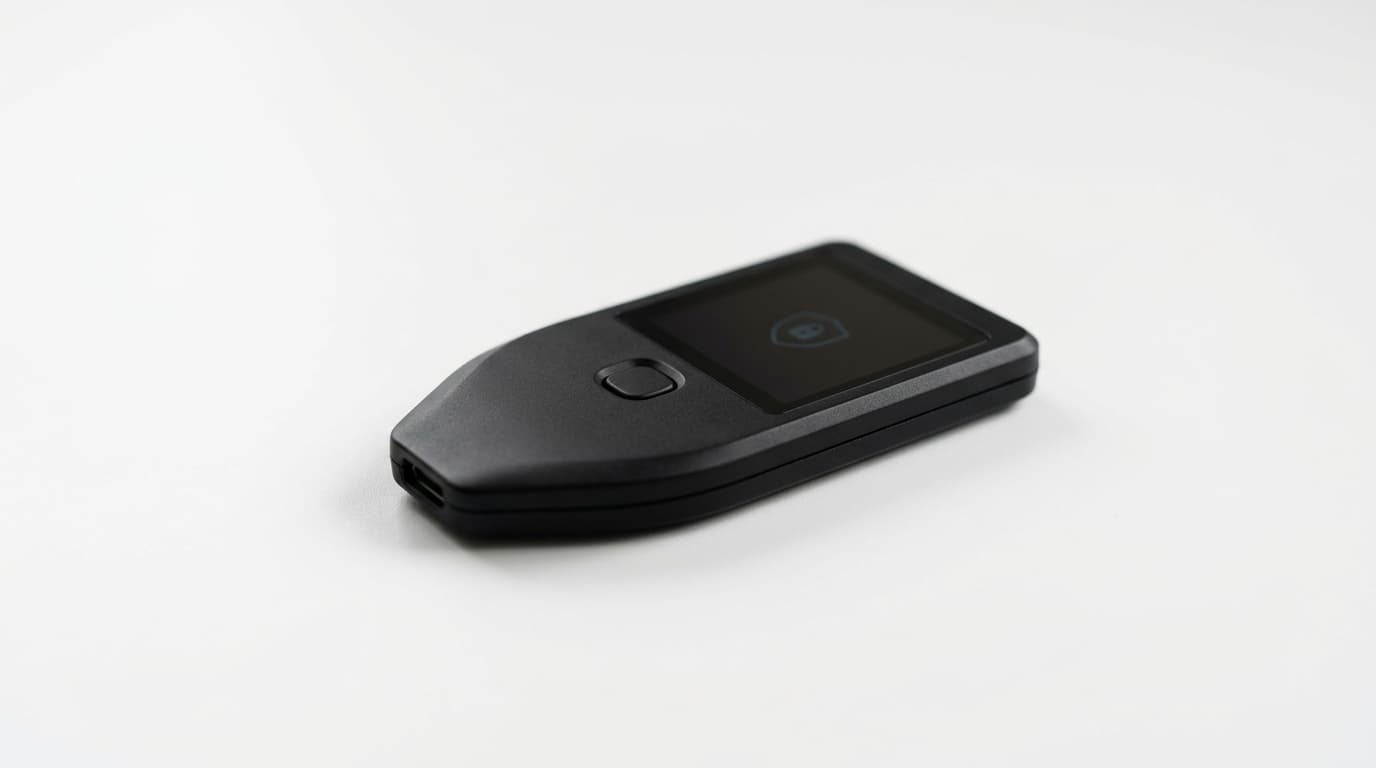
The Safe 7 represents Trezor's most ambitious hardware to date. The anodized aluminum unibody and 2.5-inch color touchscreen immediately distinguish it from the plastic builds of budget wallets. Users consistently praise the build quality in forums and reviews, with Reddit discussions from early 2026 describing it as feeling like "a premium device you'd actually want to carry."
Under the hood, the dual secure element design pairs an auditable TROPIC01 chip with an EAL6+ certified chip. This combination raises the barrier for physical attacks while maintaining Trezor's open-source philosophy. The post-quantum ready bootloader positions the device for future firmware updates as cryptographic standards evolve.
Wireless features define the daily experience. Bluetooth 5.0 with end-to-end encryption (using Trezor's THP protocol) enables full functionality with iOS and Android via Trezor Suite. Qi2 wireless charging eliminates cable fumbling. These aren't gimmicks; they fundamentally change how users interact with their cold storage.
The Battery Question
The LiFePO4 battery deserves specific attention because it represents a genuine tradeoff. Trezor chose this chemistry for its longevity (reportedly 4x more charge cycles than standard lithium-ion) and safety. The battery lasts about a day of active use or years in storage, according to user reports from early 2026.
However, the battery isn't replaceable. Some users on Reddit have flagged this as a long-term concern, since even durable batteries eventually degrade. Trezor's bet is that the extended cycle life will outlast typical device lifecycles. Whether that calculation holds will only become clear in two or three years.
Firmware Reality Check
Active firmware development has continued into 2026, with version 2.11.1 released on April 22. This ongoing support is generally positive, but it hasn't been entirely smooth. Some users reported bugs in the 2.11.1 release related to passphrase handling and authenticity checks. These issues appear to affect a subset of users, but they're worth noting for anyone considering the device.
The good news: Trezor's track record suggests these bugs get addressed. The open-source nature of the firmware means third-party scrutiny is constant.
Who Should Consider It
The Safe 7 makes the most sense for Bitcoin holders who meet a few criteria:
Active mobile users. If you regularly transact from your phone and want seamless integration without cables, the Bluetooth experience is genuinely superior to USB-C-only alternatives.
Larger portfolios. At $249, the price premium only makes sense if you're securing meaningful value. For a few hundred dollars in Bitcoin, a Trezor Safe 3 or even a Ledger Nano accomplishes the same goal at a fraction of the cost.
Forward-looking security priorities. The quantum-ready bootloader and dual secure elements provide headroom for future threats. This matters more to some holders than others.
Who Should Skip It
The evidence suggests several scenarios where the Safe 7 isn't the right choice:
Budget-conscious holders. $249 is steep, and cheaper devices offer solid security for smaller portfolios.
Desktop-only users. If you never transact from your phone, you're paying for Bluetooth and wireless charging you won't use.
Monero holders. Practical Monero support remains lacking as of early 2026, which is a dealbreaker for some privacy-focused users.
Air-gap purists. The Safe 7 doesn't support air-gapped operation. If you want zero wireless connectivity, look elsewhere.
The UI Debate
User interface opinions split sharply. Some reviews describe the touchscreen interface as intuitive and the large display as excellent for verifying transaction details. Others call it "awful." This divergence suggests the experience may depend heavily on individual expectations and use patterns.
The haptic feedback receives more consistent praise, adding a tactile confirmation layer to on-device approvals.
Verdict Based on Six Months of Evidence
The Trezor Safe 7 delivers on its core promise: a premium, mobile-first hardware wallet with serious security credentials. Build quality is excellent. Wireless features work as advertised. The dual secure element design and quantum-ready architecture provide genuine differentiation from cheaper alternatives.
The honest assessment is that this device earns its price tag for the right user, specifically someone who transacts regularly from mobile, holds significant value, and wants the latest security architecture. For passive holders who check their stack once a month from a desktop, the premium feels harder to justify.
No hardware wallet is perfect. The non-replaceable battery, occasional firmware bugs, and missing features like Monero support represent real tradeoffs. But for Bitcoin holders who fit the target profile, the Safe 7 is the most capable daily-driver wallet on the market in 2026.